At Wilderness Motorhome Sales, we aim to be fully transparent about our pricing. In this guide, we provide estimated price ranges for our new and used Carado, Bürstner, and HYMER motorhomes.
We also offer information on how prices vary by age, layout, build, and upgrades, and how our prices compare with those of other motorhome brands. We’ll also discuss how long our motorhomes retain their value, how often new models are released, and what additional costs to factor into motorhome ownership.
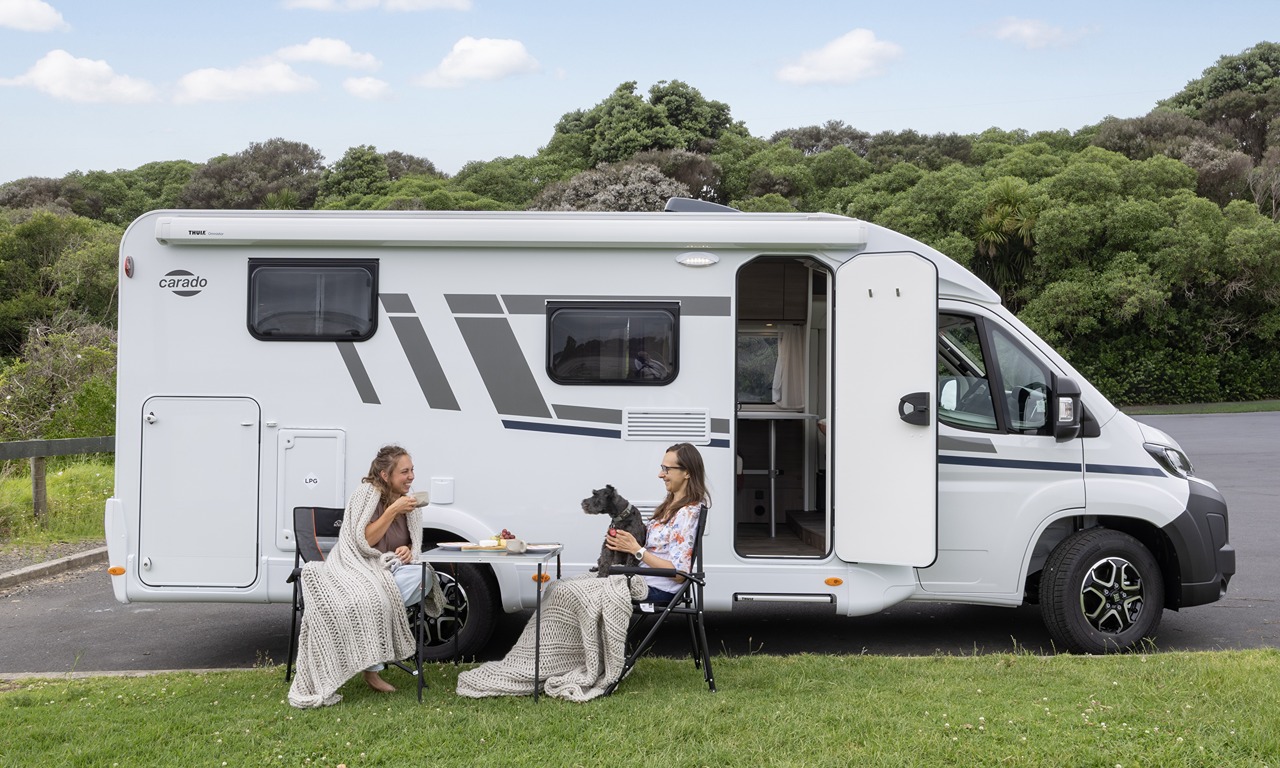
What are the typical price ranges for brand-new motorhomes from Wilderness Motorhome Sales?
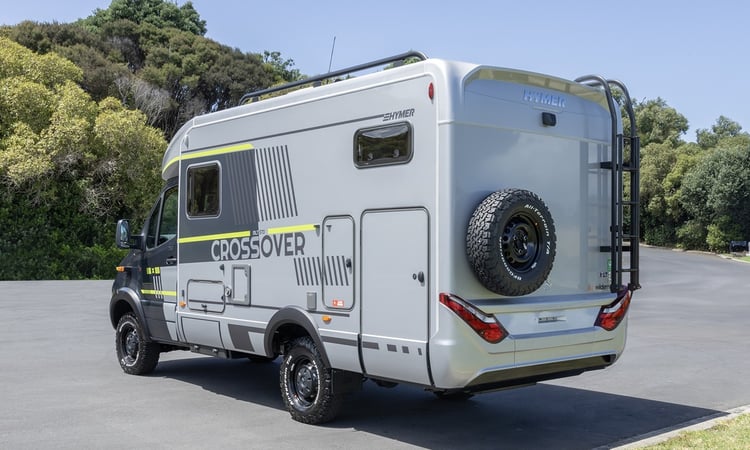
Typical price ranges for our new motorhomes are listed below.
Keep in mind that these are estimates, and prices may vary year to year due to manufacturer and importation cost increases and other factors. We review this page annually to ensure our price ranges remain up to date.
Carado: $170,000 – $205,000
Bürstner: $180,000 – $240,000
HYMER: $340,000 – $370,000
What are the typical price ranges for Wilderness Motorhome Sales’ used models?
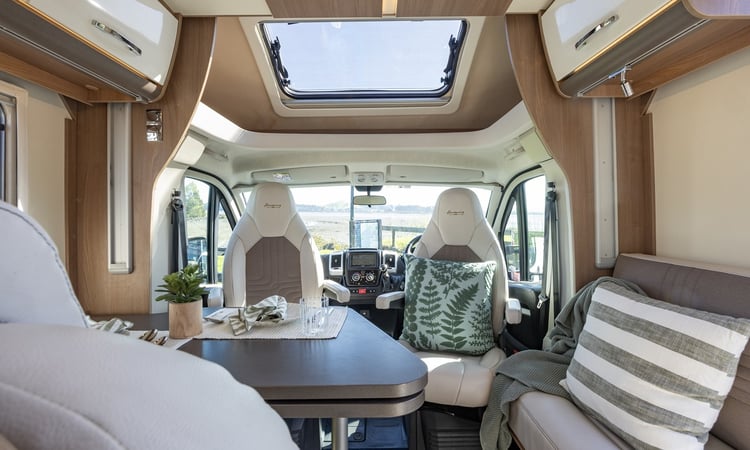
Our Carado and Bürstner models become available for sale after 3 to 4 years in our rental fleet. These motorhomes have been meticulously serviced and cared for throughout their rental life, making them an excellent “pre-loved” option.
Typical price ranges on used motorhomes at Wilderness Motorhome Sales:
Carado: $105,000 – $150,000
Bürstner: $130,000 – $160,000
What is the difference in price and value between the Carado, Bürstner, and Hymer brands?
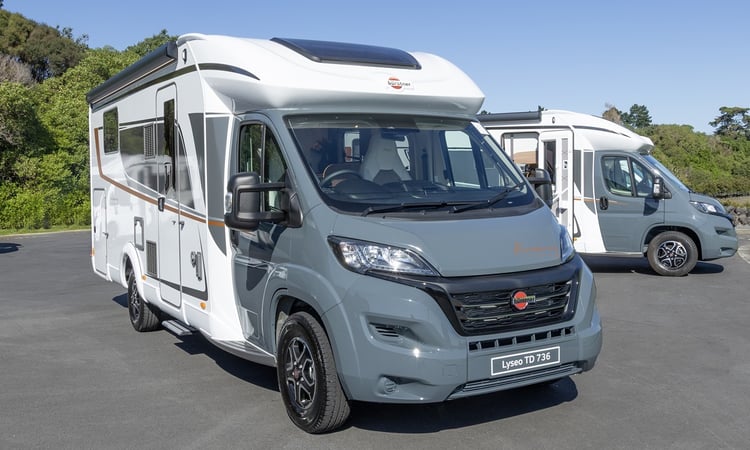
Carado achieves high-quality reliability at the lowest price point through high-volume production and advanced manufacturing methods. Bürstner offers mid-to-high-end design, while HYMER comes at a premium for its precision German engineering, hand-finished interiors, and Mercedes-Benz chassis.
Carado: The “great value” choice
Carado is the pragmatic mid-range brand. It focuses on high quality at a lower price point by focusing on efficient and standardised production.
How it does it: High-volume production with a very limited range of models and extras, resulting in significant cost efficiencies. Production is standardised, which means consistent high quality.
Bürstner: The innovative choice
Bürstner sits at a higher price point and offers a step up in design and innovation
How it does it: Focuses on a modern design, with innovations such as the drop-down bed (which Bürstner invented). It produces motorhomes in smaller runs than Carado. There is a new model produced every season, and it offers a much wider range of floor plans (48 models), with roughly 150 extras.
HYMER: The “premium standard” choice
HYMER comes at a premium price, but offers timeless excellence and superior safety in return. Specialised models come with 4x4 capability and RWD.
How it does it: It has smaller production runs, high-end equipment, and a premium chassis (60% Mercedes-Benz, 40% Fiat). It has a smaller range (about 20 floor plans) and prioritises exceptional, handmade craftsmanship.
How does pricing differ based on build, features, layout, age, mileage, and upgrades?

Build
Build quality is the primary driver of the price hierarchy within the Erwin Hymer Group (EHG). While Carado, Bürstner, and HYMER all benefit from German engineering, they are strategically positioned at different price points based on construction materials, insulation technology, onboard systems, and interior finishing.
-
Carado: Mid-range prices.
-
It uses industry-standard "sandwich" construction and a high-quality GRP (Glass Reinforced Plastic) for roofs to protect against hail.
-
It also uses simpler, straight-line furniture designs that are more efficient and less expensive to manufacture. You won't find curved wood or complex soft-close hidden hinges found in brands like Bürstner.
-
Bürstner: Mid to high-end prices.
-
One of the biggest points of value for Bürstner is the double floor system. This provides better insulation, extra storage, and a flat floor throughout the living area.
-
The electric drop-down bed also contributes to the higher price, compared to manual drop-downs found in brands like Carado.
-
You’ll see a significant increase in the quality of soft furnishings, luxurious ambient lighting, and cabinetry with more intricate joinery and more organic shapes. The cost is higher because of the more complex interior design.
-
HYMER: Premium prices.
-
Unlike the others, HYMER uses a patented PUAL 2.0 wall design (aluminium inner/outer skins with injected foam). It is 100% wood-free, provides residential-grade thermal insulation, and is incredibly rigid.
-
The specialised 4x4 ML-T models use the Mercedes-Benz 4x4 Ladder Frame. This integrates a factory all-wheel-drive system with a raised suspension, providing high ground clearance and mechanical durability that mid-level brands cannot match.
Layout
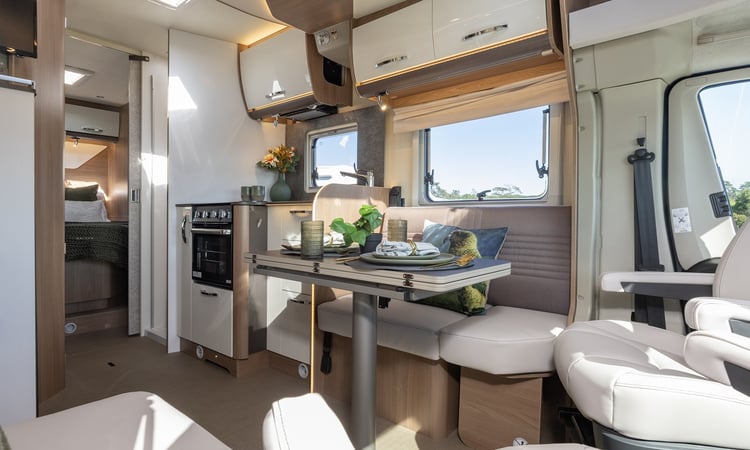
“Layout” refers to how the interior of a motorhome is arranged. While the layout of a motorhome will impact your daily comfort, the price bracket is primarily determined by the build quality.
For example, in a premium brand like HYMER, your investment is centred on the Mercedes-Benz chassis and PUAL 2.0 insulation rather than a specific floor plan.
In summary:
-
The core cost reflects structural engineering, chassis and drive technology, and high-grade materials.
-
Choosing an island bed over a twin-bed setup may slightly increase the price only if it requires a longer chassis and more raw materials for the shell.
-
Features like a separate dry bathroom versus a combined wet room represent different uses of the same internal space.
Features and upgrades
Features such as off-grid power, high-end insulation, and advanced safety tech can all impact the price of a motorhome.
-
Off-grid autonomy: Systems like the Smart Battery System 2.0 use German-made lithium tech to let you camp away from power hookups for up to 10 days. Adding a full lithium setup with solar panels and an inverter usually adds $7,000 – $12,000 to the price. Some upcoming models, such as the Bürstner B66 series, will start to include lithium batteries as standard.
-
Thermal performance: The price reflects how well a motorhome handles the cold. HYMER’s PUAL 2.0 insulation is wood-free and so dense it's equivalent to an 80cm solid brick wall. When you combine this with heated floors and diesel heaters, you're paying for a vehicle that stays cosy at below-freezing temperatures.
Age
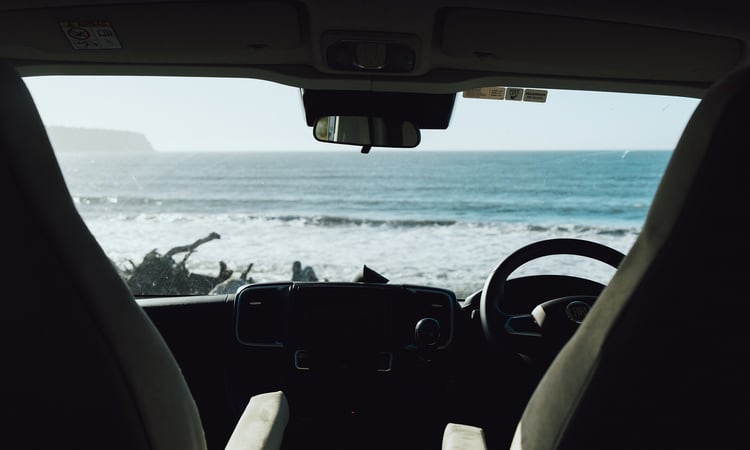
Age is a significant factor in a motorhome’s market value – the newer the motorhome, the higher its value. That said, these vehicles hold their worth far better than standard cars.
A new motorhome typically sees its largest drop – around 10% to 15% – in the first year, but this settles quickly to roughly 8% annually, compared to the much steeper 20% to 30% first-year plunge seen in the car market.
For example, a motorhome purchased for $350,000 would be worth approximately $315,000 after one year and approximately $283,500 NZD after two years, depending on mileage, wear and tear.
Condition is often just as critical as the year on the registration; a meticulously maintained older model is a better investment than a newer unit that has been neglected.
Mileage
Brand-new, motorhomes naturally command the highest prices. A high-mileage motorhome will be priced lower than a low-mileage vehicle.
However, mileage isn’t always a straightforward indicator of value.
In the motorhome market, a high-mileage vehicle that has been used regularly and serviced meticulously is often a "safer" and better value investment than a low-mileage unit that has sat idle. Engines, seals, and braking systems can deteriorate or seize when left dormant for long periods, meaning a neglected, low-mileage motorhome may hide more mechanical issues.
Essentially, a high-mileage motorhome in the depreciation “sweet spot” can be a great investment.
How does the pricing compare to other premium motorhome brands?
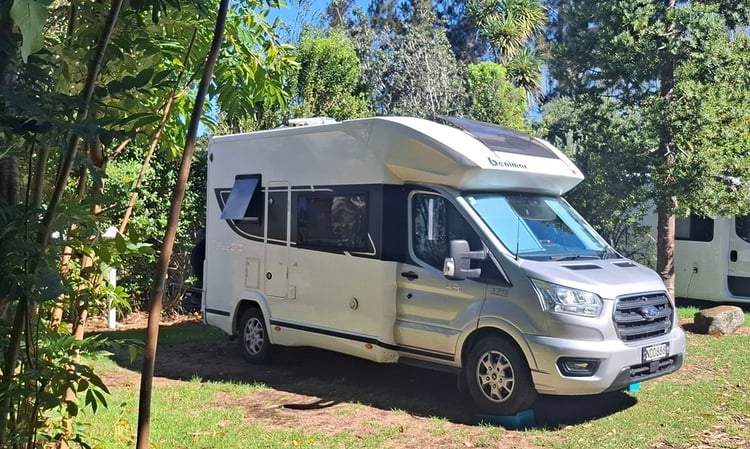
At Wilderness, we don't just sell one type of motorhome; we offer a range of brands that lead the pack in their own specific categories. While Carado, Bürstner, and HYMER all share a pedigree of German engineering, they are built for different types of travellers - from those wanting a solid, reliable step-up from the basics to those looking for the absolute top-of-the-line.
When you compare our brands to local builds or volume imports like Jayco or Swift, the difference is in the craftsmanship. While those brands focus on the entry-level market, our range starts where they leave off. We offer a clear step up in quality at every level: the rugged value of Carado, the refined comfort of Bürstner, and the world-class luxury and superior onboard systems of a HYMER.
Other popular motorhome brands in New Zealand
Jayco: $220,000 – $245,000 new
KEA & KEA Elite: $160,000 – $190,000 new
Roller Team: $190,000 – $230,000 new
Swift: $190,000 – $250,000 new
What’s included in the purchase price?

All Wilderness Motorhomes come with:
The road-ready essentials
-
Certificate of Fitness (COF)/ Warrant of Fitness (WOF)
-
RUC (min 2000kms)
-
Registration (min 12 months)
-
Electrical Warrant of Fitness (EWOF)
-
Certified Self Containment (CSC)
- Comprehensive warranties for new motorhomes (on chassis, fit-out and water tightness)
-
Solar panels, inverters, reversing cameras, stereos and SmartTV’s
The Wilderness starter pack
-
Fresh & Grey water hoses
-
Power Cord
-
2x full 9kg LPG gas bottles
-
Spare set of keys
-
Full tank of diesel
Every Wilderness motorhome also comes with the peace of mind of a comprehensive warranty and after-sales support – available on both new and used vehicles – along with a wide range of replacement parts kept locally available.
Our solar panels and batteries keep you powered on your adventures, and an onboard TV means you're never without entertainment.
We’ll also give you a thorough handover session, so you feel completely confident before hitting the road.
What specific factors add to the final cost of a motorhome in NZ? (GST, NZ Road User Charges, Compliance/Self-Containment certification, optional upgrades.)
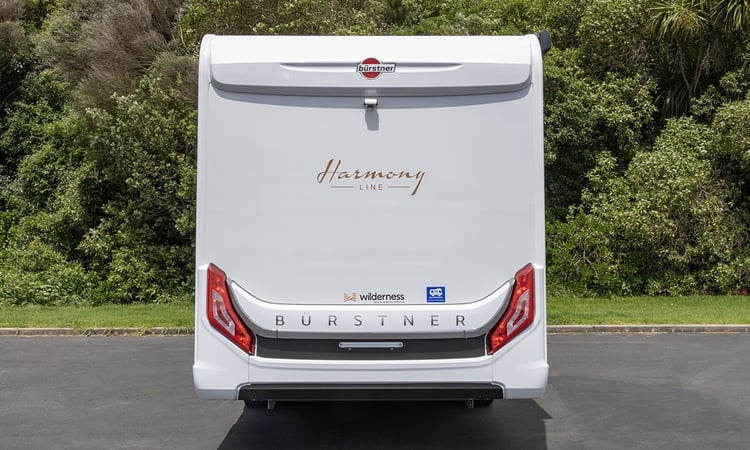
If you're buying a Wilderness motorhome, they come ready for the road. We bundle in several of the standard NZ "entry" costs, including GST, Certified Self Containment (CSC), and 2000 km worth of Road User Charges (RUCs).
Additional RUCs and additional upgrades will come at your own cost.
For more information on the cost of owning a motorhome, check out our cost of ownership calculator.
How often are new models released, and how does this impact current stock pricing?
Wilderness Motorhome Sales reviews its product range annually. New imports do not impact the price of current stock.
How long do Wilderness motorhomes retain their value?
Wilderness motorhomes hold their value remarkably well. Based on a $200,000 purchase, a Wilderness motorhome retains around 90% of its value after year one, and the depreciation rate settles to just 8% per year from there – meaning after eight years, you'd still be sitting on roughly half your original investment.
Compare that to a new car, which can lose 20–30% in the first year alone, and the numbers speak for themselves.
Use our depreciation calculator to see exactly how your motorhome holds its value over time.


