There’s nothing quite like the feeling of packing up the motorhome and heading off the beaten track. But before you ditch the map and get lost in the moment, there’s one important number you need to know: your maximum payload.
Simply put, this is the total weight your motorhome can legally and safely carry. It covers everything from your passengers and pantry staples to your water, clothes, and that extra gear for the road.
Here’s the thing, though, sometimes the payload figure in a brochure doesn’t quite match reality. It might be based on a similar model from overseas with different chassis or suspension components. Or the motorhome may be NZ-new, but the initial payload doesn’t account for those handy accessories added after the initial payload calculation.
That’s why we reckon the best way to start your journey is with certainty. Buying a motorhome that has had its unladen (tare) weight verified recently at a New Zealand weighbridge means you know exactly where you stand. Subtract that tare weight from the Gross Vehicle Mass (GVM), and you’ve got your magic number for safe loading.
This weighbridge certification is the only way to be 100% confident in your payload limit. Let’s explore why this matters and how to make sure you’re ready to roll.
|
In this guide we’ll cover: How payload capacity figures can be corrupted How to accurately verify the maximum payload capacity of your vehicle |
Why payload accuracy matters
Every motorhome has an official Gross Vehicle Mass (GVM = payload + tare) - that’s the maximum it can weigh when fully loaded. These limits are monitored by the transport authorities to ensure you stay safe on the road. Breaches can lead to penalties. If your motorhome’s payload figure isn't accurate from the start, it can distort your understanding of what you can carry, leading to an overloaded vehicle and stress you just don't need.
It can be a bit of a shock to roll onto a weighbridge, ready for adventure, only to find you’re several hundred kilograms over the limit. Relying on an estimated payload figure can catch you out, and we want your trip to be memorable for the right reasons. Here’s why getting it right is so important:
The legal consequences of exceeding a motorhome's payload limit in New Zealand
You might get flagged down at a roadside commercial weighbridge where the police can check your weight. If they find you’re overloaded, the fine you face will depend on just how much you’ve exceeded your GVM.
For serious breaches, that fine is likely to be over $1,000. You could also face demerit points or even a period of disqualification if the police determine the vehicle has been deliberately loaded to a dangerous level.
It’s highly likely you’ll be grounded, too—the police will prevent you from getting back on the road until you’ve lightened the load to get back under the limit. Relying on an inaccurate payload figure can bring your travel plans to a sudden, unexpected stop.
Keeping you safe
The heavier the vehicle, the longer it takes to perform an emergency stop and the slower it is to change direction. There are valid physical reasons why the NZTA and police constantly monitor commercial vehicles and pay particular attention to penalising GVM breaches. Overloading puts not only you and your passengers at risk. It also endangers other road users.
Insurance peace of mind
If the unexpected happens, one of the first things an insurer looks at is the condition of the vehicle. When processing a claim for a motorhome, a claim investigator’s first question is often, "Was it overloaded?" If it turns out you were carrying an excessive payload and operating illegally at the time of the incident, the insurer may decline to pay your repair costs. The resulting financial loss is likely to be considerable. That’s a stress nobody needs. Sticking to your payload limit means you’re covered.
Looking after your motorhome
Consistent overloading speeds up the deterioration of your vehicle. The manufacturer sets the payload limit as the absolute maximum weight the vehicle can safely carry and remain serviceable. So, constantly exceeding it puts extra strain on the powertrain, steering, and suspension. You will wear out your tyres faster and burn more fuel, too. That’s why smart motorhome owners keep their loads as light as possible, so they can keep exploring for longer.
Avoiding "buyer’s remorse"
It’s far better to know the accurate payload limit before you buy a motorhome so you know exactly what you can carry without breaching the GVM. If you assume the on-paper stats are accurate when you sign the sales agreement, you might find you can’t legally carry the whole family plus all the water and equipment you pictured. That moment of truth usually happens at a weighbridge, forcing you to leave behind things you really wanted to take just to stay within the limit.
|
Exceeding the certified weight is against the law, risking immediate fines and demerit points from the NZTA. More importantly, it compromises safety by placing undue strain on components like your brakes and tyres. If you are involved in an accident while the vehicle is overloaded, your insurance company could very well refuse to pay out the claim. Manus Schlooz — Wilderness Motorhomes Sales Consultant |

Consult our due diligence checklist for a comprehensive set of checkpoints designed to help you make an informed decision and avoid buyer’s remorse.
The "Common Culprits" that sneakily rob your payload capacity
Brochure vs. Reality
When you consider the payload limit, you probably focus on your luggage, food, and reserves of water, gas, and electricity. However, the biggest "hidden weight" issue often stems from the initial unladen weight data provided by the motorhome importer.
Motorhomes manufactured in Europe often have their weight defined by the Mass in Running Order (MIRO) standard. Unfortunately, many importers, whether through naivety or simply wanting to simplify the sales process, pass on this non-compliant MIRO figure as if it were the official NZ Tare Weight. They may state that MIRO serves as a suitable substitute for Tare Weight, but this is simply not true, as the calculation methods are fundamentally different. Relying on this incorrect figure is the fastest way to unknowingly overestimate your legal carrying capacity.
That’s why it is vital to ensure your motorhome's unladen weight (Tare Weight) has been verified by a certified weighbridge in New Zealand. This figure, subtracted from the Gross Vehicle Mass (GVM), is the only legal and reliable way to establish your maximum payload limit.
MIRO vs. Tare Weight: What’s the difference?
The reason the Mass in Running Order (MIRO) figure cannot be used to calculate a compliant payload in New Zealand is that its calculation method differs significantly from the tare Weight standard used by the NZTA. On top of that, European motorhome manufacturers do not supply a New Zealand-compliant Tare Weight figure in their specifications. The key difference lies in what is included when the vehicle is weighed:
|
MIRO Standard |
Tare Weight Standard |
|
Vehicle is weighed with all fluids on board including a full fuel tank. The average weight of a driver (75kg) is also added. |
Vehicle is weighed with all fluids (oils, coolant etc.) on board with 10 litres of fuel in the tank. No driver weight is added. |
You might assume that calculating your payload based on the MIRO offers a safe buffer against overloading. However, relying solely on this manufacturer statistic can offer a false sense of security. MIRO figures do not account for critical real-world variables, such as:
-
Country Variations: Specifications, chassis grade and components can differ significantly between domestic and export models.
-
Local Accessories: Equipment fitted after the vehicle arrives in New Zealand adds weight that is not reflected in the factory paperwork.
Since we can't rely on manufacturer-supplied weight, the only reliable method to establish the vehicle's unladen weight is to have the motorhome measured on a certified weighbridge here in the local market before sale. For this reason, Wilderness takes every new motorhome model we import to a weighbridge in New Zealand to determine the tare weight of the ready-for-sale vehicle. That gives an accurate guide to identifying how much the motorhome can carry.
Learn more about payload limits and weights.
Accessories and "Living Weight"
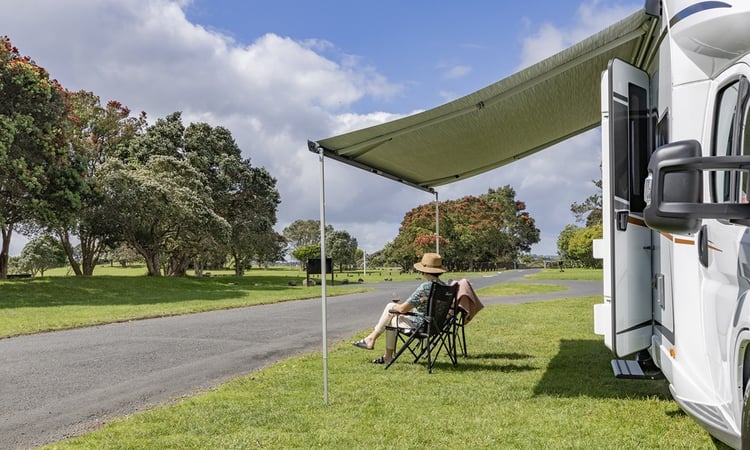
Even if the base weight of the vehicle is correct, brochure figures might not account for the heavy accessories fitted to the motorhome once it reaches New Zealand. Importers often tailor the motorhome to our preferences by fitting awnings, bike racks, extra solar panels, and increased battery storage.
These can reduce the payload quoted in the brochure considerably. Salespeople at many dealerships are quick to highlight the many accessories fitted to the vehicle, but are generally silent about how these reduce the residual payload capacity. It’s far better to have accurate weight certification of the vehicle exactly as it is sold.
|
The main weight additions are consumables and passengers: water, wastewater, gas bottles, clothing, and general gear. However, the biggest surprise usually comes from accessories added after the motorhome left the factory, such as solar panels, satellite dishes, or bike racks, which are often not accounted for in the original tare weight. Suddenly you’ve added 100kgs of weight before you’ve packed a suitcase! Manus Schlooz |
How to verify the Gross Vehicle Mass (GVM) of a Motorhome
Your motorhome has two plates showing the Gross Vehicle Mass (GVM)—the maximum weight limit for the vehicle and its load. The original 'Stage 1' plate was placed there by the automotive company that built the van platform (like Fiat, Ford, or Mercedes-Benz), but it doesn’t account for the conversion of the van into a motorhome.
That is why you need to find the 'Stage 2' plate that was mounted by the motorhome manufacturer. They usually fill out the Stage 2 information section in the back of the owner’s manual, too.
|
It starts with checking the right sticker. Every motorhome has a ‘Stage 1’ plate from the chassis manufacturer, but that only tells you about the bare chassis. You need to find the Stage 2 plate – which is added when the habitation unit is built. The latest plate always overrides the earlier ones. However, the correct GVM plate won’t account for the reduction in payload caused by accessories that were added later. The only true way to verify the current payload is to get the vehicle weighed at a certified public weighbridge once ready for sale. At Wilderness, we weigh our motorhomes after any modifications and accessory additions to ensure our payload numbers are accurate. Manus Schlooz |
How to verify your maximum payload of your motorhome
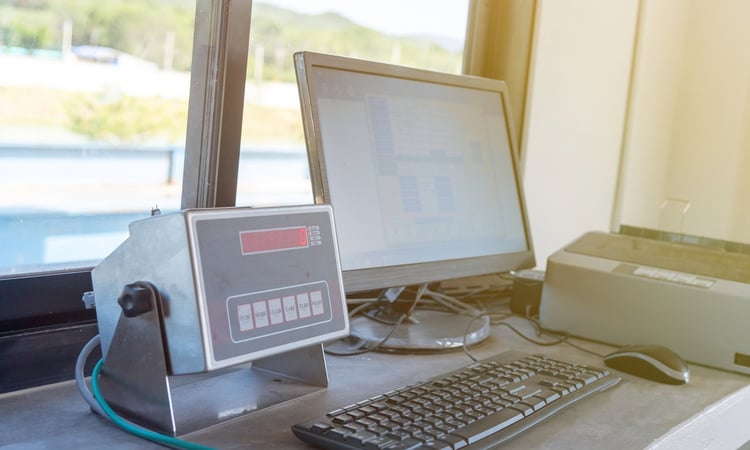
The easiest way to ensure the maximum payload capacity of your motorhome is accurate is to simply ask your dealer for verified payload information obtained from an NZ-certified weighbridge.
If your dealer cannot provide this certified Tare Weight documentation, we recommend you perform the verification yourself before taking delivery. Knowing your true payload is essential for your safety, compliance, and insurance coverage.
Here is how you can verify the maximum payload of your motorhome:
-
Find a Weighbridge: Your local refuse or recycling station usually has a weighbridge for trucks. They use these to measure loaded trucks entering the facility and weigh them again after dumping their loads. These companies are generally happy to weigh motorhomes for a small fee and can provide print-outs of the result.
-
The "Ready to Roll" Weigh-in: Drive onto the weighbridge with a full tank of fuel and the freshwater tank topped up. Take your travel buddies along for the ride, plus all the usual things you carry like bikes, a spare tyre, outdoor furniture—the lot. If the measured weight is below the GVM, congratulations! You’re driving a fully loaded motorhome that complies with NZTA regulations and insurance conditions. There is no need to verify the maximum payload as you’re already well within the safe limits set by the manufacturer. However, if the measurement exceeds the GVM, you’ll need to move to Step 3.
-
Unload and Measure: Empty the motorhome of everything you carry on tour and take the bikes off the back. Return to the weighbridge with the fuel gauge showing between one-quarter full and empty. Drive onto the weighbridge, then hop out of the cab and walk off the measuring platform. The vehicle can now be weighed to accurately determine its Tare Weight. Subtract this figure from the GVM and you have your verified maximum payload.
Why a certified weighbridge certificate is your best friend
A certified weighbridge certificate is essential if you are looking at an imported motorhome where the manufacturer hasn’t provided a New Zealand-compliant Tare Weight, or where accessories have been added after the initial specification.
This certificate takes all the guesswork out of determining your legal carrying capacity. It confirms the weight of the vehicle exactly as it is sold, including any fitted accessories. It’s also your proof of what you can legally carry—handy for police roadside checks or when you eventually show the vehicle to a prospective buyer when it’s time to resell.
Ready to find a motorhome that truly suits your adventures?
Explore our range of premium motorhomes, all sold with a certified weighbridge certificate for your complete peace of mind.