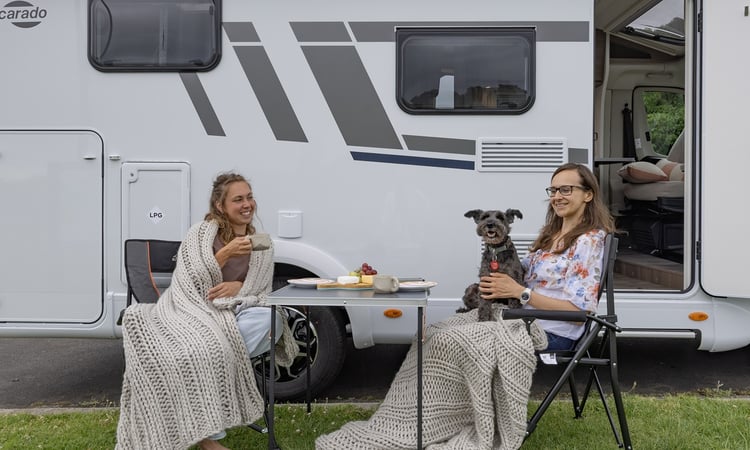
Buying your first motorhome is a very special moment. As soon as you’re handed the keys, a whole new world of possibilities opens up.
But behind the sparkly exterior, there’s a steep learning curve for what being a motorhome owner really looks like. Once the "new van smell" fades and you’re halfway up a narrow gravel road, or dealing with a layout that feels like a puzzle, a bit of buyer regret can start to creep in.
Summary
|
So, how can you avoid classic “rookie mistakes” and buy right the first time? In this guide, we’ve gathered hard-learned lessons from real motorhome owners. Here’s what they wish they’d known from the start.
|
Contents: |
The things that matter, and those that don’t matter as much as you think
Most first-timers obsess over the wrong things entirely, like packing everything under the sun, or running out of gas mid-trip, while neglecting the real essentials.
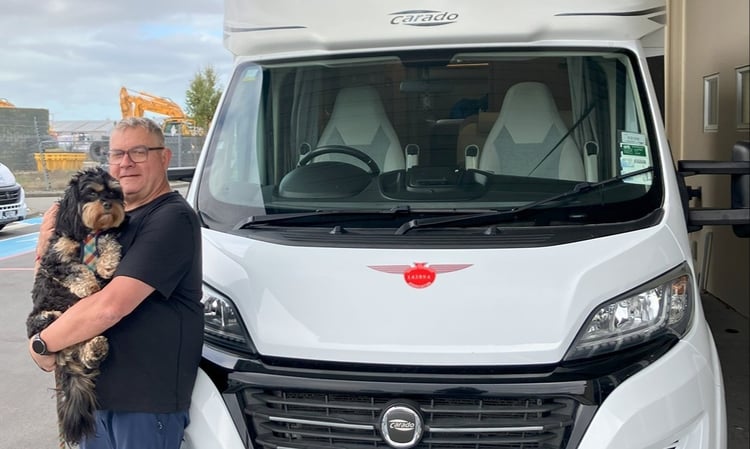
Mark Russell bought a used Carado motorhome last year, and has spent 200+ days touring the country full-time. He says that as a new motorhome owner, it’s easy to overthink the worst-case scenarios.
"Early on, I was convinced I'd run out of gas at the worst possible moment,” he said. “In reality, the fridge coasts along happily for hours, and swapping a bottle takes about 45 seconds. Crisis averted before it started."
The same goes for fears about complex systems failing or the fridge losing power overnight. These anxieties loom large in the imagination but rarely become actual problems.
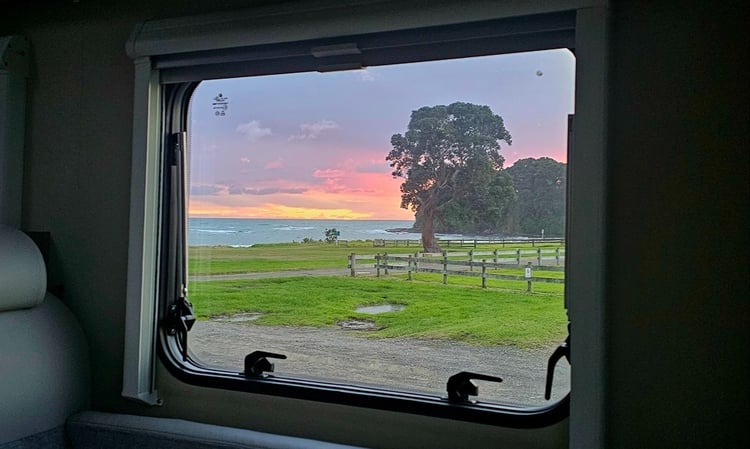
What does matter? Natural light (game-changing on rainy days), proper ventilation, and a layout that doesn't turn making a cup of tea into an obstacle course.
|
Mark Russell, — Carado owner |

Then there are the gimmicks, which are flashy and fun for about a week. But once they sit unused for months, you start to wonder if you really needed to shell out the extra cash for a built-in microwave. Quality, comfort, layout and usability should be the top priorities over “nice to haves.”
Start with the obvious: how will you actually use it?
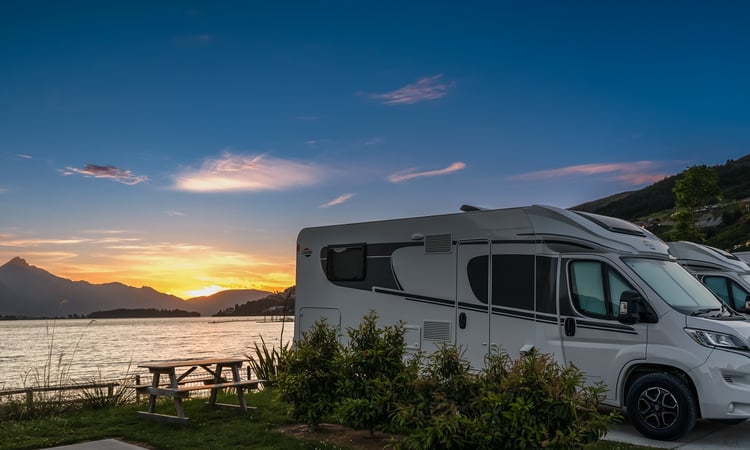
In the excitement of choosing layouts and colour schemes, it can be easy to lose sight of the obvious – how are you actually planning to use your motorhome? Where will you go? Easy-access campsites, or somewhere further off the beaten track?
Weight and navigation
Your technical setup needs to match your plans. HYMER owner Brenda notes that paying attention to weight is important. For example, are your tyres rated for the weight of the van and accompanying gear, like bikes and tow bars?
If towing is on your radar, Bürstner owners Anne and Roger Hughes recommend a GVM of 3,650kg or higher. They also note that police are tightening up on weight compliance, with load cells now embedded in some roads. These devices measure vehicle weight and are used to manage pavement wear. If you get caught exceeding the GVM, you could be in for a hefty fine.
Using the right navigation equipment for your vehicle matters too. Don’t rely exclusively on Google Maps – when you're driving a big motorhome, it isn’t always your best friend. Mark learned this the hard way.
“Google Maps once confidently directed me up what turned out to be a farm track,” Mark recalled. “Picture this – 7.5 metres of motorhome, steep gravel, no turning space, and the growing realisation I'd have to reverse back down. That experience led me straight to a Garmin RV navigation system. By entering my motorhome's exact height, width and length, it steers me away from low bridges, weight-restricted roads, and entrepreneurial farm tracks. Worth every cent for the stress it removes.”
|
Alison — HYMER Owner |
For a more detailed look at motorhome weights, have a read of our guide to payloads.
Planning for your everyday
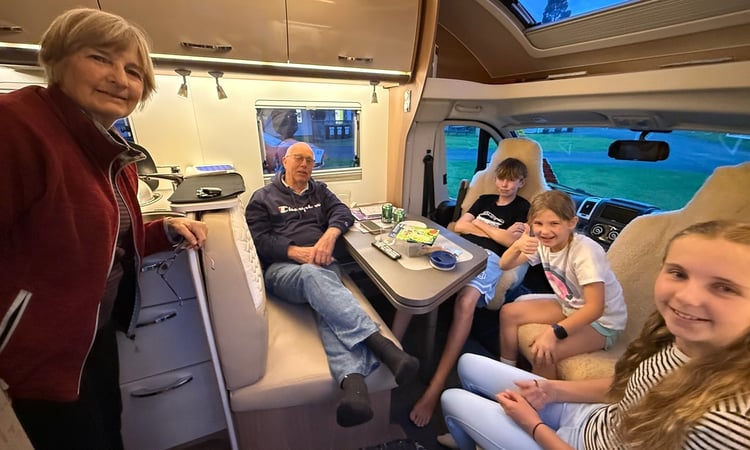
Another common mistake is overestimating the amount of space you’ll need. Wilderness director Mary Hamilton sees lots of buyers wanting to have space for grandkids – but when asked how often they’d actually join them on motorhome trips, the answer is “rarely”.
As motorhome veterans, Anne and Roger know this reality well. They’re currently on motorhome number five, and recently replaced their Carado with an ex-rental Bürstner. While their Carado’s garage space was great and the vehicle drove like a car, they quickly found that the extra drop-down bed was barely used and gathering dust. The extra weight of the bed also reduced their motorhome's payload, meaning less room to bring things like e-bikes.
They now own a Bürstner that’s half a meter shorter, without a drop-down bed but just as much garage space. “For the two of us, it’s ideal and ticks all the boxes,” they said.
The main criteria for your purchase should be based on what you'll be doing day-to-day, not on “one-off” scenarios that might happen once a year.
Should you buy new or secondhand?
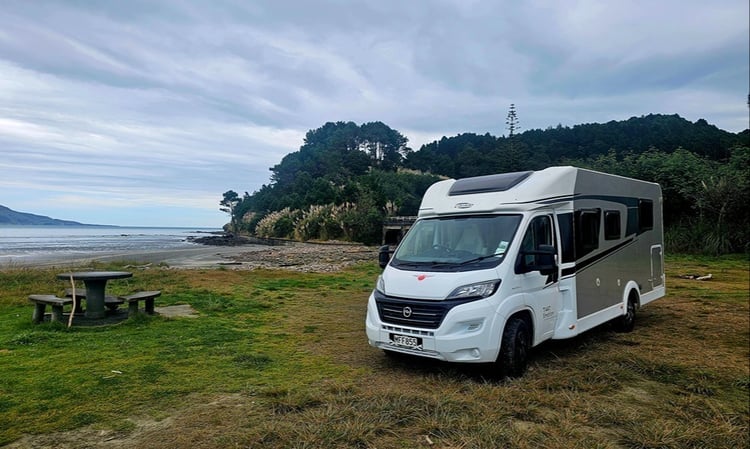
For most first-timers, Mark recommends starting with a high-quality secondhand motorhome. It will teach you a lot about how you actually live, not how you think you'll live.
You might discover you need more storage, or less bed, or that the layout you imagined would work brilliantly actually drives you mad after a fortnight. It’ll also give you the space to figure out what you need without over-committing financially.
If you go the secondhand route, do your homework. Check the condition thoroughly, ask about usage history, inspect the key systems (gas, electrics, water, heating), and make sure the documentation is in order. Buying from a reputable dealer rather than a private seller gives you an extra layer of protection.
This advice is echoed by Anne and Roger, who've been through several motorhomes and still buy ex-rentals.
"If someone is new to motorhoming, I'd be looking to buy secondhand as these modern Fiats just keep on keeping on," they say. "What's important to you today will possibly change as you adapt to the lifestyle and find what you really want."
That said, if you prefer a clean slate, buying new can be the way to go. You'll benefit from the latest safety features, improved fuel efficiency, and technology that older models simply don't have.
|
Mark — Carado owner |
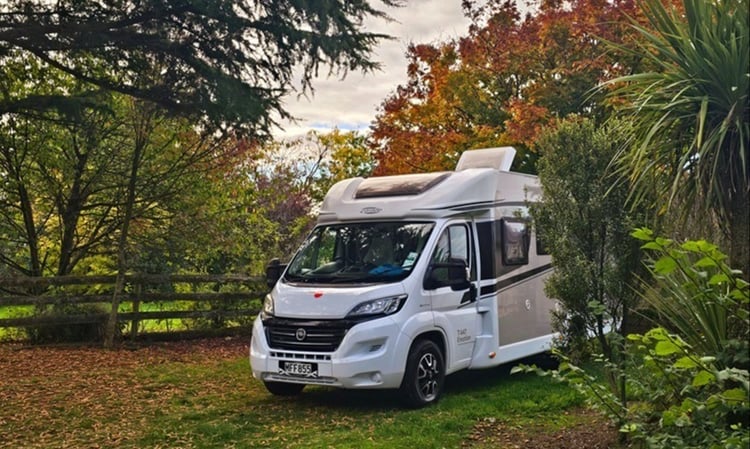
Read our detailed blog on whether to buy a new or used motorhome.
What running costs should you keep an eye on?
There are no dramatic surprises here, but the small stuff compounds if you're not paying attention.
Mark recommends the unglamorous but effective approach: track everything in a spreadsheet and stick to a monthly budget. Here are some key tips to keep in mind.
Shop small and often
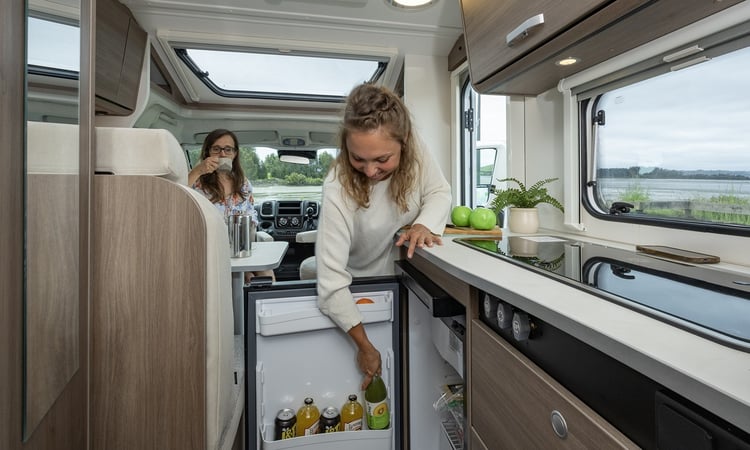
This approach minimises food waste and keeps the fridge manageable, which matters when you’re no longer working with a full-sized kitchen setup.
Don’t skimp on insurance
It’s a grudge purchase, but it’s worth its weight in gold when you need it. Don’t cut corners on contents insurance – for Mark, this proved its worth early when his e-bike was nicked from the back of his motorhome. Since he was insured, it was replaced with no issues.
The same goes for breakdown assistance. “You hope you'll never need it (I haven’t yet), but knowing you're covered anywhere in the country is worth the annual cost,” Mark says.
Invest in solar panels & a good internet package
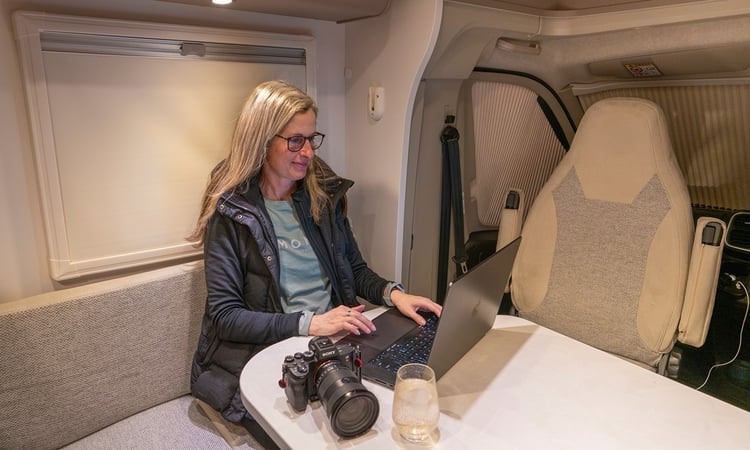
According to Mark, one positive surprise is that with a solar panel installed, ongoing power costs are negligible. After he upgraded his solar setup to a total of 535 watts, he’s rarely needed to plug into mains power, and freedom camping sites have become the norm rather than the exception. “They’re cheaper, quieter, come with better views, and no neighbours running generators at 7am,” he says.
It’s also a good idea to invest in a good broadband package. Mark swears by his 5G modem from Wireless Nation, which lets him stream movies and live TV from almost anywhere.
The learning curve is real, but gentler than you expect
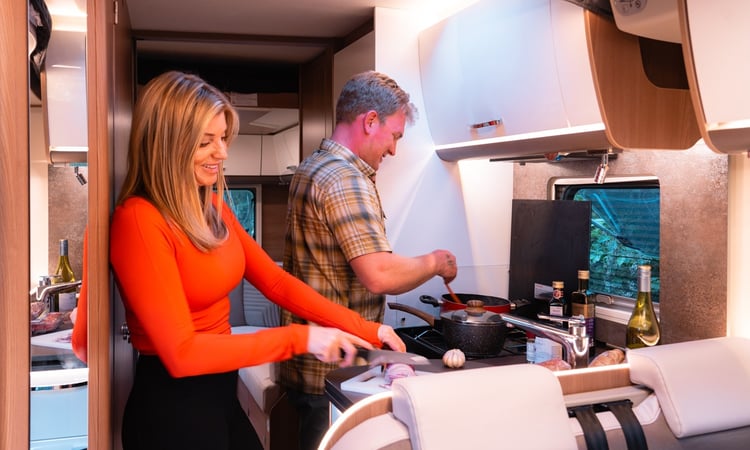
Figuring out the water system, getting the motorhome onto level ground, solar panel management, the occasional "why is the gas stove clicking but not lighting?" moment – these things will catch you off guard at first.
But Mark found that most of it becomes routine surprisingly quickly, and the bigger shift was mental.
"Motorhome life rewards patience,” he says. “Everything takes slightly longer, and that's fine."
When problems do crop up, you're rarely on your own. AI tools have become an unexpected lifesaver for diagnosing issues on the fly – air in a gas line at 9pm, researching replacement tyres, checking whether a route is sensible.
The community fills in the rest. There's an unspoken camaraderie among motorhome owners, and people are very willing to help. "Someone will always know why your water pump is making that noise," Mark says.
Apps like CamperMate and the various Facebook groups are goldmines for real-time advice and hidden-gem recommendations. Mark also recommends joining the NZMCA (New Zealand Motor Caravan Association) for discounts, deals, and access to their 65 exclusive member sites around the country at just $5 per person per night.
|
Tip: Wilderness Motorhomes runs dedicated Facebook groups for HYMER, Bürstner and Carado owners. You can share tips, ask for advice, or just wax lyrical about your latest adventure! |
The other learning curve is seasonal. Mark's first proper winter week taught him the value of his Carado's heating system, double-glazed windows, and blackout screens for insulation. You don't think about these things in summer, but they matter a lot come June.
Final advice from an owner
The technical specs and build quality provide the foundation, but the real joy comes from the freedom to explore New Zealand with confidence, knowing you have the right support and a layout that actually works for your lifestyle.
Mark's top tip for first-timers is to think about how you want your days to feel, not just where you want to go.
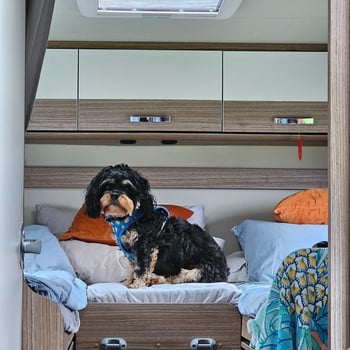
Picture a wet Tuesday. A windy night. A quiet work morning. Walk through your routines: making coffee, walking the dog, cooking dinner, winding down in the evening. Think about who you’ll be taking with you – a partner, a family member, or a four-legged friend.
If the motorhome supports those moments comfortably, everything else falls into place.
|
Mark — Carado owner
|
Beyond that, embrace the slower pace. Research your stops to uncover unexpected local gems – the sculpture trail nobody mentions, the estuary walk that's stunning at low tide, the craft brewery tucked behind a petrol station. Pack books. Stock your bar properly - Mark's Carado includes a mini cocktail bar, because sunsets genuinely do go better with a negroni.
After more than eight months exploring the North Island full-time, Mark has learned that motorhome living isn't about ticking off locations or racing from place to place.
"Some days I might only travel 10 kilometres. It's about creating a small, capable home and using the tools available to make life on the road simpler, calmer and more enjoyable."
Prioritise quality, understand the kind of lifestyle you want, and lean on the wisdom of the community. That way, you can skip the common pitfalls of first-time ownership and get straight to the good part.
Mark’s final comment says it all: “Turns out, it's an absolute blast."
Check out Mark's Instagram page to follow more of his adventures.
If you’re still mulling over your options, take a look at our motorhome buying guide for first-timers.


