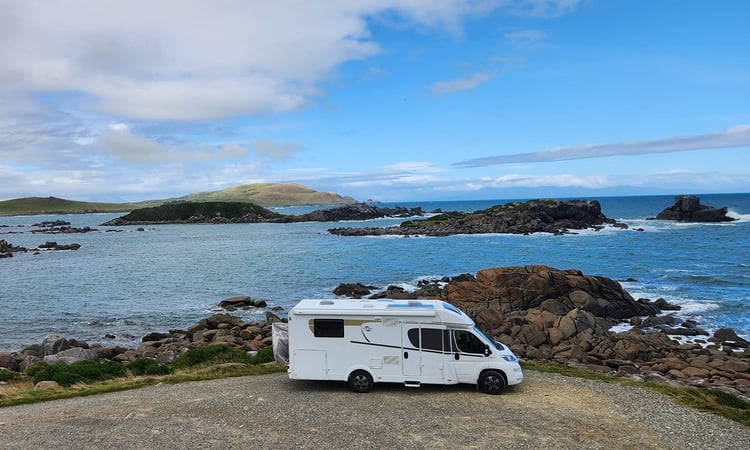
There are many different kinds of people who come to work at Wilderness. Some are industry veterans, and some fell into it on a whim. Graham Skinner is a unique kind – a retired owner of a Carado motorhome who loved the lifestyle so much that eventually, he decided he wanted to work for the dealership.
Graham is part of the welcome team at Wilderness, driving guests between the airport and the base and helping them get oriented before they hit the road. But before he ever set foot in the Wilderness yard as an employee, he was a customer.
He and his partner spend significant chunks of the year travelling around New Zealand in their Carado. When he talks to guests arriving at the base, wide-eyed and full of questions, he's speaking from experience.
It's turned out to be a great fit in both directions: Graham gets to spend his days doing what he loves, and guests get someone who has owned the same vehicle and driven the same roads they're about to explore.
We spoke to Graham to find out his favourite things about motorhome travel, what brought him to the Wilderness team, and his top tips for a motorhome buyer.
What brought you to a Wilderness motorhome, and what is the ownership experience like?
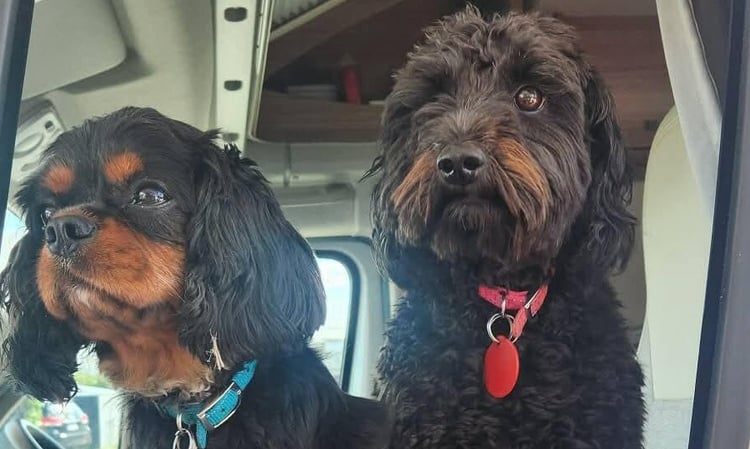
Graham's journey started when life intervened. His dog was going blind, and he wanted to get her comfortable with a motorhome as soon as possible – and so, his motorhoming plans were brought forward.
The Carado motorhome had come up as a top contender in his research – strong marks for layout, build quality, and livability – and once he was actually inside one, it clicked quickly. The size of the fridge, the walk-around bed, and especially the garage sealed it.
"I see some motorhomes with tiny garages," Graham says, "and I think, where do they even put the barbecue? Never mind all the other stuff that us blokes like to carry around!"
For Graham and his partner, Anita, the garage is where they store the cage that gives their dogs around three square metres of space to move between the motorhome and the outdoors. Without that space, the whole trip wouldn't work for them.
Savouring the freedom
Every year, Graham and Anita go on a month-long trip across the South Island, as well as various spontaneous trips in between. Graham says the most surprising thing about motorhome travel is the level of freedom you get.
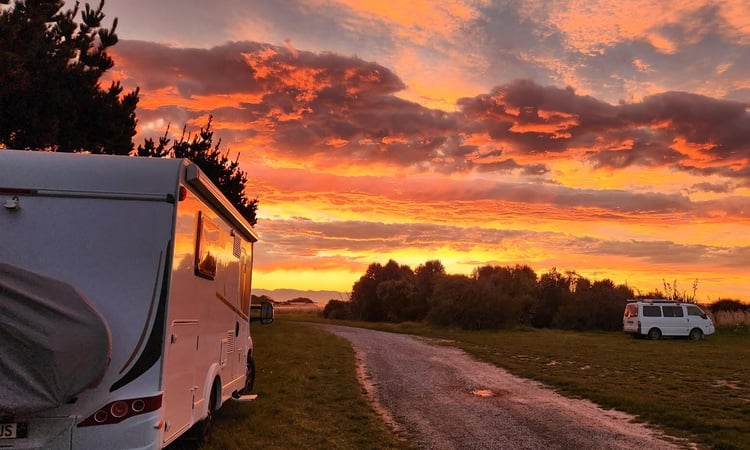
The ability to freedom camp is huge – with solar panels installed, the couple hardly need to book into powered sites at all.
“You don’t fully realise that until you get out there and do it,” Graham says. “This last trip, we were away for 32 days, and we went to powered campsites maybe four times. We’ve learned how to conserve water, how to watch wastewater levels, etc.”
“We have solar panels, but if you hit a bit of a patch where you don’t have sun, it’s just a matter of driving for two hours, and your batteries are recharged. Conservatively, we can go three days without major sun,” he explains.
“It’s a bit of a learning curve at first, but you take people’s advice, and everyone helps each other out.”
Want more insights from motorhome owners? Check out our blog on what they wish they’d known before buying their first motorhome.
Why would a motorhome owner choose to work for a dealership?
When Graham sold his business and retired, he found himself with something unfamiliar: unstructured time. He took on volunteer roles with three different organisations, but found himself coming back to the idea of working in the tourism industry.
“I love meeting people, and you get to do that every single day,” he says. “I don’t have a CV, so I just sent a letter to 4–5 different places! Wilderness’s director, Mary, phoned me back and said a casual role would suit Wilderness very well. I fill in as a shuttle driver, and I just love doing it.”
The shuttle transports rental guests between the airport and the Wilderness base, and in that relatively short window, Graham typically fields a dozen questions – everything from driving directions to whether emergency alerts will reach international phones.
As his role developed, he also began doing more quality assurance and inspections for motorhomes. After fixing the CEO’s office door, he became the unofficial yard handyman. But his interactions with guests are what he always comes back to as the highlight of his day.
“People are so excited to be in New Zealand – it’s been on their bucket list, we’re at the bottom of the world, so it takes a lot of effort and planning to get here,” he says. “It’s so great to see.”
How does firsthand travel experience turn into great adventure support?
If you’re after good advice, you won’t find better than someone who has seen and done it all.
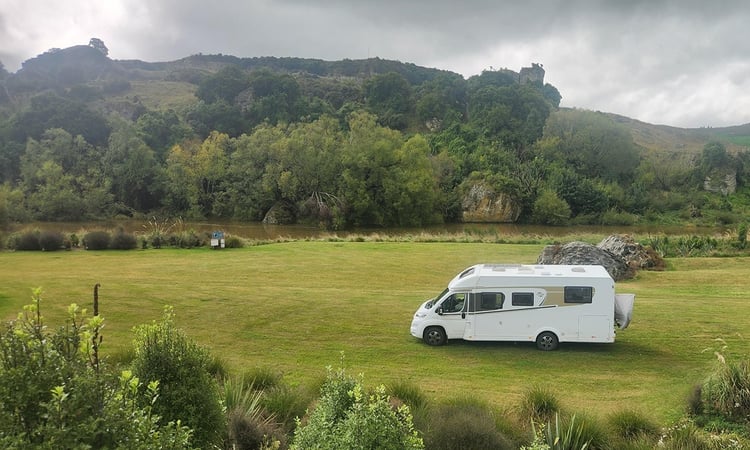
Planning and preparing guests for their trip is what the adventure support team does, and when they have guests with questions, Graham is often the one they call over. Scenic routes, local tips, what to expect at the campground, and where to resupply. He's genuinely well placed to help – he's driven those roads, slept at those spots, figured out the learning curve himself.
“With my knowledge of the Carado and my travels through New Zealand, I can give lots of pointers to guests when they come in,” Graham says.
“No guest is the same, but the most common questions are about scenic routes and figuring out the motorhome. I’m always ready to offer tips.”
Still figuring out your motorhome? Check out our tips for how to keep your beer cold on your travels.
What should you do before buying a premium motorhome in New Zealand?

When Graham isn't helping rental guests prepare for their trip, he occasionally steps in to show potential buyers around the motorhomes, too. As a motorhome owner and traveller, he says the single best thing you can do before buying is to hire it first.
A weekend or a week in a motorhome will tell you more about what you actually need than any amount of research. Graham and Anita hired before they bought, and it was that experience – seeing the size of the fridge, testing the bed layout, understanding how the garage space worked – that made the decision easy.
Graham also encourages buyers to visit the dealership, talk to the consultants, and spend as much time inside the motorhome as possible.
“If I’m filling in to show a potential buyer through a new motorhome, I’ll tell them to spend time in there,” he says.
“Sit in the seats, open the cupboards, have a look in the fridge. Open the floor space, go into the garage. Spend as long as you can in the motorhome to see if you’re comfortable in it. Ask as many questions as you want, and come back again the next day. Take it for a test drive.
“In my experience, the more time a potential buyer spends in the motorhome, the more comfortable they’ll be with the purchase.”
Of course, plenty of research never goes amiss either. Graham has taken plenty of friends on trips, and the feedback is often, “Why didn’t I know about this?”
“We get plenty of comments about the finish,” Graham says. “We’ve travelled with friends who have a different make of motorhome, and once they’d been in ours, they said, “We should have done better research!” They just loved our setup.”
For more insights on the Carado, check out our blog on why Carados offer the best value for money.
Why is motorhome after-sales support so important?
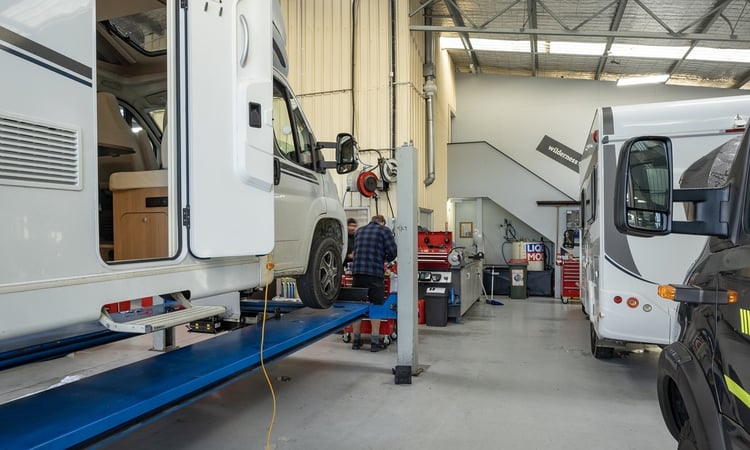
A premium European motorhome is a sophisticated piece of engineering. Keeping them in good shape requires serious specialist knowledge. Graham's experience bears this out. His annual water tightness check is a straightforward, low-fuss process.
"We haven't had many problems with the motorhome itself," he says. “Now that I’m working for Wilderness, even the annual checks are really easy – I just come in to work with my motorhome one day and get the check done!”
Without strong after-sales support, motorhome ownership can quickly turn into long-term stress.
The risks of poor after-sales support:
-
Technicians who are unfamiliar with European motorhome systems can misdiagnose problems or use incorrect parts.
-
Routine maintenance gets deferred or done poorly, accelerating wear.
-
When something does go wrong on the road, there's no knowledgeable team to call.
-
Warranty claims can become complicated without a dealer who knows the product inside out.
What good after-sales support actually protects:
-
The vehicle itself – regular checks like annual water-tightness testing catch small issues before they become expensive ones.
-
Your time on the road – a well-maintained motorhome breaks down less and performs better across years of travel.
-
Resale value – a documented service history with a reputable specialist dealer is a meaningful asset when it comes time to sell.
Consistent access to expert advice is what separates a motorhome that serves you well for a decade from one that quietly deteriorates.
Is Wilderness the right place to buy a motorhome for long-term adventures?
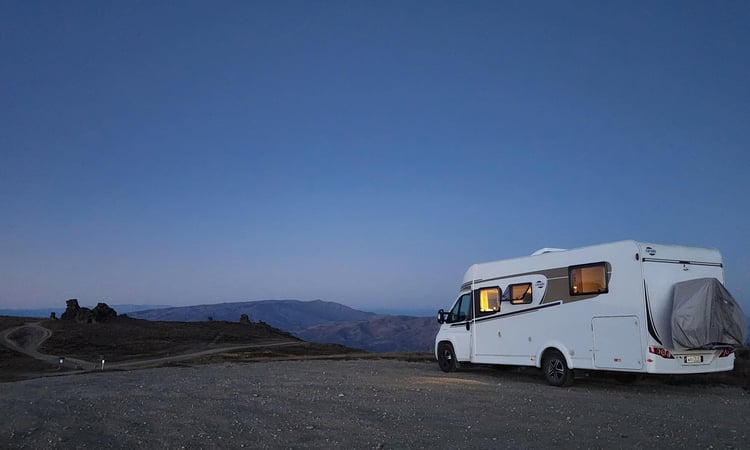
Graham might be a little biased, but his answer is an emphatic “yes”.
When relaxing at campsites, he often chats to other travellers renting motorhomes and campers, and does a little unofficial survey.
“Wilderness gets very good outcomes there!” he says. “Those renting with other companies will tell me that they weren’t told how things work, or that they had to wait hours at the base before getting the motorhome. The experience is pretty great with Wilderness with a rental.”
When it comes to buying, he fully recommends a Wilderness motorhome for those who love to be on the move.
“We’ve also had some of the old debates of caravan versus motorhome,” he says.
“Anita and I are pretty nomadic, we couldn’t park up somewhere for a week – that’s just not us. If you’re towing a caravan, you can’t get into a lot of these freedom camping places, because you’re now 20 meters long instead of 7.4 meters long. There’s no turning around, and setting a caravan up takes much longer.
“We can just pull into a campground, and within ten minutes, the deck chairs are out, and we’re having a cup of tea.”
On Graham and Anita’s last South Island trip, they ended up on the highest public road in New Zealand – the Nevis Road. They slept there overnight and woke up above the clouds to watch the sun come out.
Graham says those kinds of moments are what it’s all about – and the freedom to just pull out a map, point to any road, and head off.
“We have map books for the North and South Islands, and we’ll highlight every road that we’ve travelled on,” Graham says.
“The freedom is unbelievable. We won’t have a plan tomorrow, and it doesn’t matter because we don’t have bookings. The only thing you worry about is the weather. The freedom to be able to do whatever you want, when you want – it’s pretty great.”
Ready to start your own research? Check out our guide to the top ten questions you should ask your motorhome dealer before you buy.


