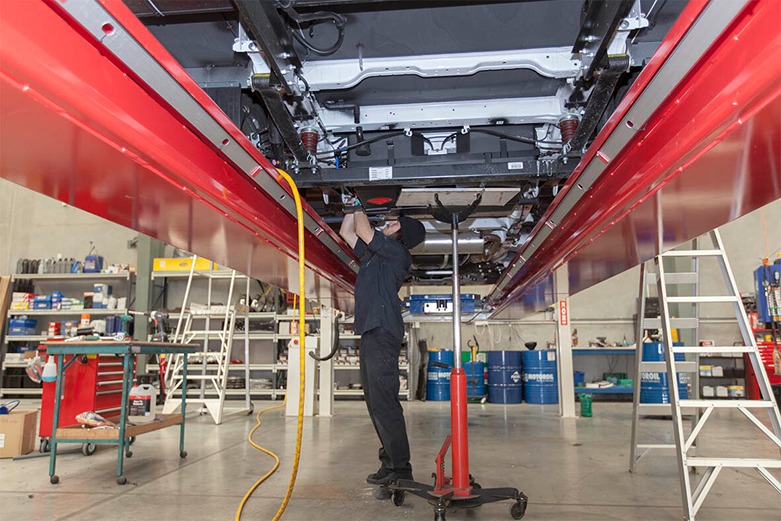
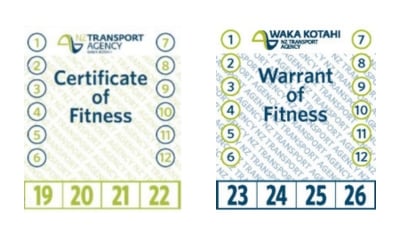
If you own a car, you'll already know the Warrant of Fitness (WoF) — that regular check that keeps your vehicle safe and legal on New Zealand roads.
A Certificate of Fitness (CoF) is the one you may not have met yet. It's the equivalent for heavier vehicles, including many premium motorhomes. It sometimes gets written off as extra admin, but a better way to see it is as a mark of quality: a commercial-grade safety standard that protects both you and your investment.
In this guide, we'll walk you through the differences between WoF and CoF, the costs, the inspection process, and what it all means when you're choosing a motorhome.
Why is it important to have a WoF or CoF for your motorhome?
The importance of motorhome WoFs and CoFs can’t be understated. Following an assessment of your RV’s condition, you’ll be given your warrant or certificate if the vehicle passes. This certifies that your motorhome is safe to drive on New Zealand roads as it meets the minimum safety standards.
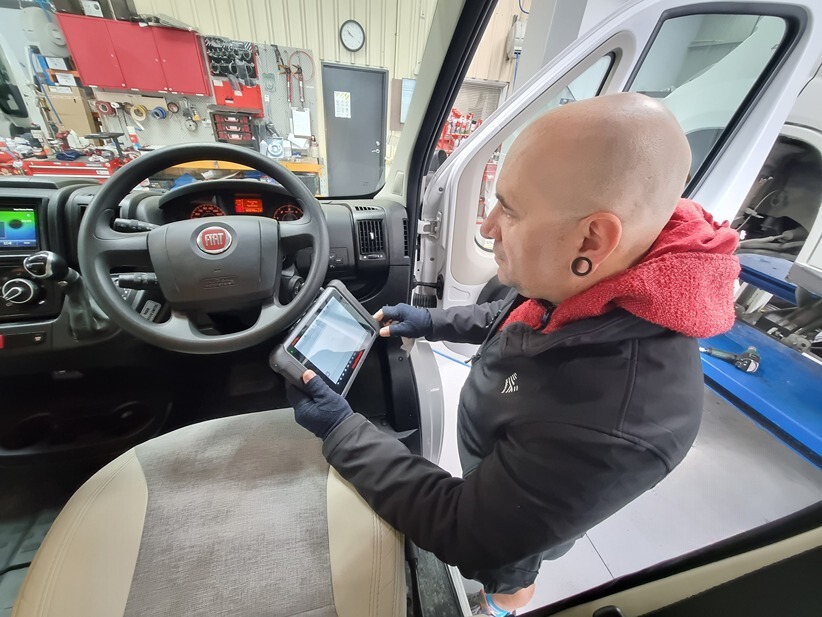
Aside from meeting safety regulations, this certification is essential for:
-
Complying with the law — without it you risk being fined or even getting your RV impounded
-
Obtaining insurance — as a condition of coverage, insurance providers will require your motorhome to have a valid CoF or WoF
-
Lessening the chance of a breakdown — inspections help identify and fix issues before they become major problems
-
Reselling — most buyers will want an RV with an up-to-date CoF or WoF, and a documented history of compliance and safety.
What’s the difference between a CoF and a WoF for motorhomes?
Both WoF and CoF are legally required certifications confirming your vehicle has passed a periodic inspection of its safety and roadworthiness. The difference is weight: WoF covers lighter vehicles, and CoF is the equivalent for heavier ones.
The CoF sits within New Zealand's heavy-vehicle inspection framework — the same system that covers trucks and buses. That means it applies a level of scrutiny appropriate to a heavier, higher-load vehicle.
What GVM means for getting a CoF or WoF
The right inspection for your motorhome will depend on its gross vehicle mass (GVM). The dividing line is 3,500kg.
|
|
WoF |
CoF |
|
GVM 3500kg or less |
✓ |
|
|
GVM over 3500kg |
|
✓ |
When you need a WoF: (GVM 3,500kg or less): a motorhome first registered after 1 January 2000 needs its first WoF inspection three years after the registration date, then every year after that. If it was first registered before 2000, you'll need a WoF every six months.
When you need a CoF: (GVM over 3,500kg): the inspection is required every 12 months regardless of the age of your motorhome (as of 1 September 2025).
Weighing up WoF vs CoF
Both checks have their pros and cons, and they each suit different vehicles and different ways of travelling. Here's how they stack up.
| WoF (up to 3,500 kg) | CoF (over 3,500 kg) | |
| Pros |
|
|
| Cons |
Lighter build with less carrying capacity |
|
Learn more about how to get your motorhome payload right when packing for adventure.
How much does a WoF/CoF cost in New Zealand?
A WoF inspection typically costs $50–75, while a CoF inspection costs more per visit, at roughly $150–250. The CoF is higher because it's a deeper, heavy-vehicle-grade safety audit, since heavier vehicles inherently carry more risk.
The good news for owners with motorhomes on a CoF is that the inspection frequency moved to an annual schedule in September 2025, so you now budget for one CoF per year rather than two. So while each check costs more, you're paying it half as often as you used to.
What is the inspection process for a WoF/CoF in New Zealand?
Both inspections follow a similar principle — a technician checks your motorhome against a set safety standard and issues a certificate if it passes — but the CoF goes into more detail and can only be performed at specific testing centres. Here's what to expect from each.
Getting a WoF
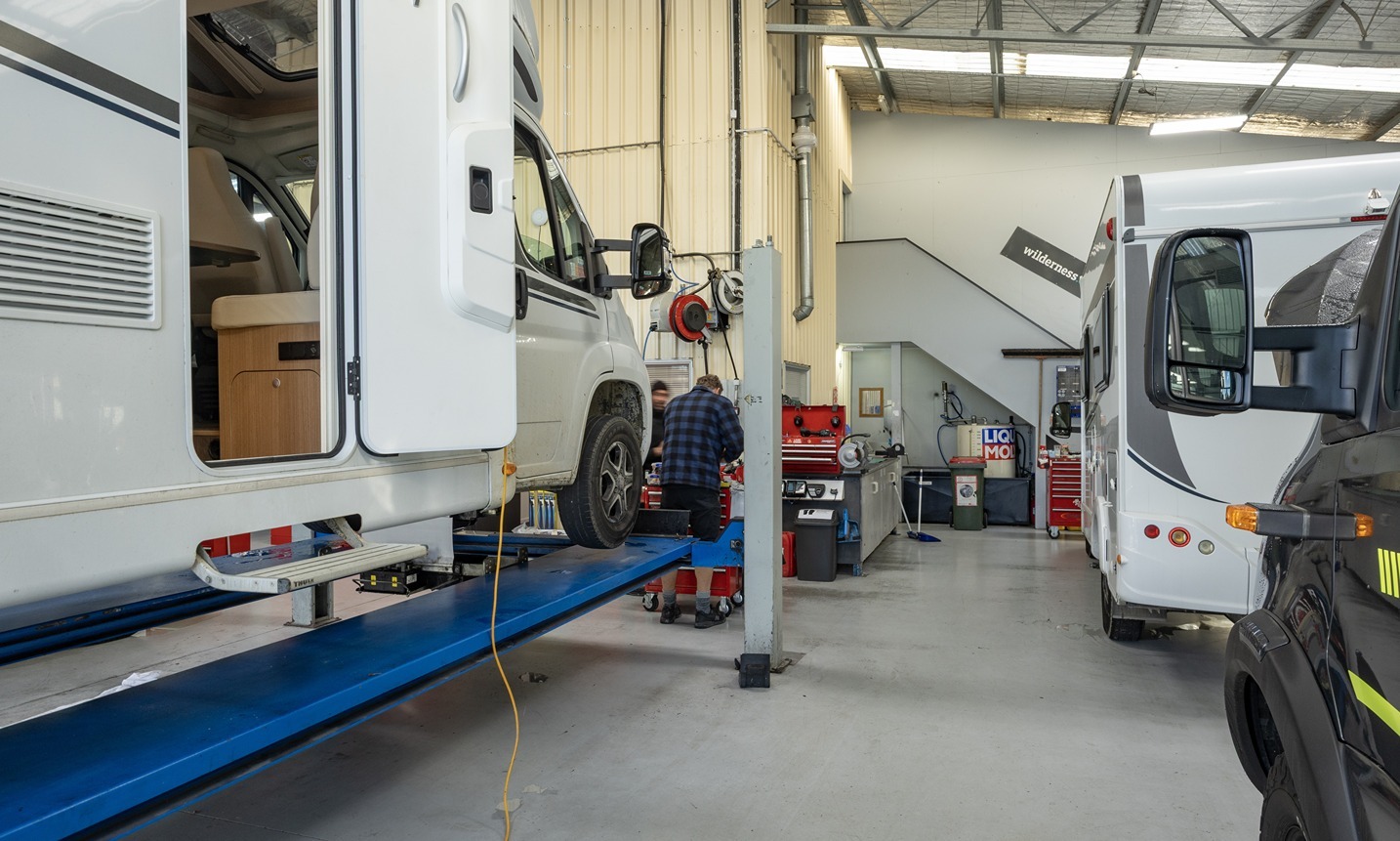
A WoF is available at a large network of authorised testing stations nationwide, including AA and VTNZ centres. A standard inspection covers:
- Tyres, brakes and body structure
- Lights, glazing, wipers and washers
- Seatbelts
- Steering and suspension
- The fuel and exhaust system
Getting a CoF
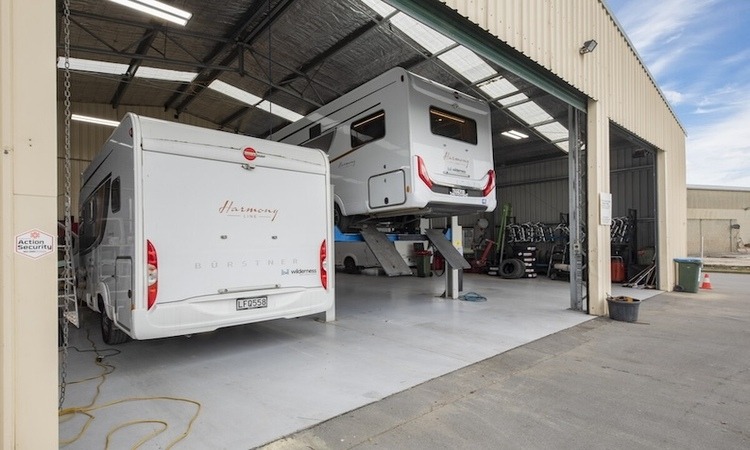
A CoF is booked with an authorised heavy-vehicle agent such as VTNZ or AA. Not every centre is certified to issue one, so there are fewer locations and the check takes a bit longer — it's best to book ahead.
A CoF involves up to 17 tests, though several truck-specific items don't apply to motorhomes. Inspectors work through the vehicle against NZTA's Vehicle Inspection Requirements Manual (VIRM), covering much the same ground as a WoF but with heavy-vehicle criteria applied. A typical inspection looks at:
- Tyre condition, including tread depth
- Brakes and braking performance
- Steering and suspension
- Structural condition of the chassis and body
- Lights and reflectors
- Glazing, wipers and washers
- Seatbelts and airbags
- The exhaust system, which must be leak-free and no louder than it was when originally manufactured
- The condition of any towing connection
Because motorhomes sit in a framework built mainly for trucks, some items won't apply to yours. Load restraints (tie-down points, load anchorages, rope rails, curtain buckles and the like) and a certificate of loading are truck-specific, so an inspector marks them "not applicable" rather than failing you on them.
It’s also important to know that a CoF isn’t a full vehicle health check. It doesn't assess the condition of the engine, clutch, gearbox or differential, and it doesn't check fluid levels or quality such as brake fluid. If you're buying a used motorhome, a current CoF is reassuring, but it's not a substitute for a proper mechanical inspection.
Are all premium German motorhomes sold on a Certificate of Fitness (CoF)?
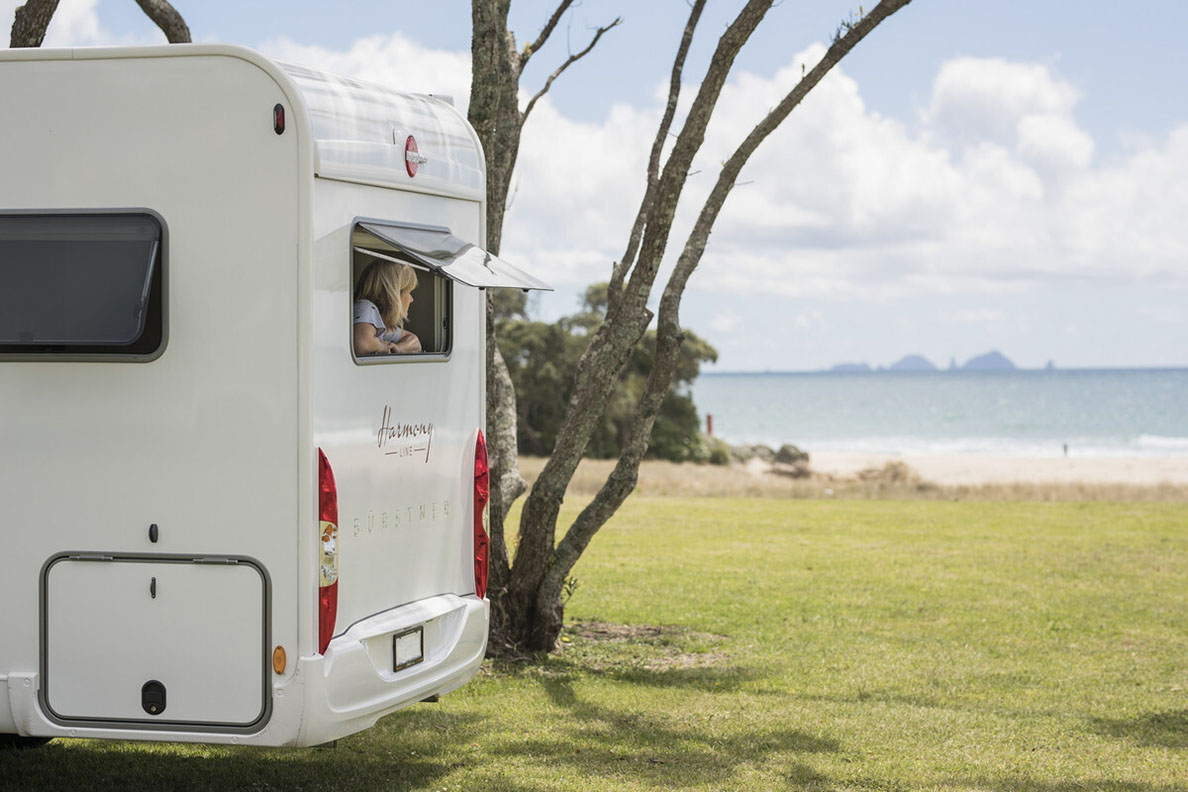
Not all, but many are. Premium German builds — think HYMER, Bürstner and Carado on robust chassis — are typically engineered above 3,500kg GVM, which places them in CoF territory. The majority of Wilderness motorhomes are on a CoF, though some smaller vehicles remain on a WoF.
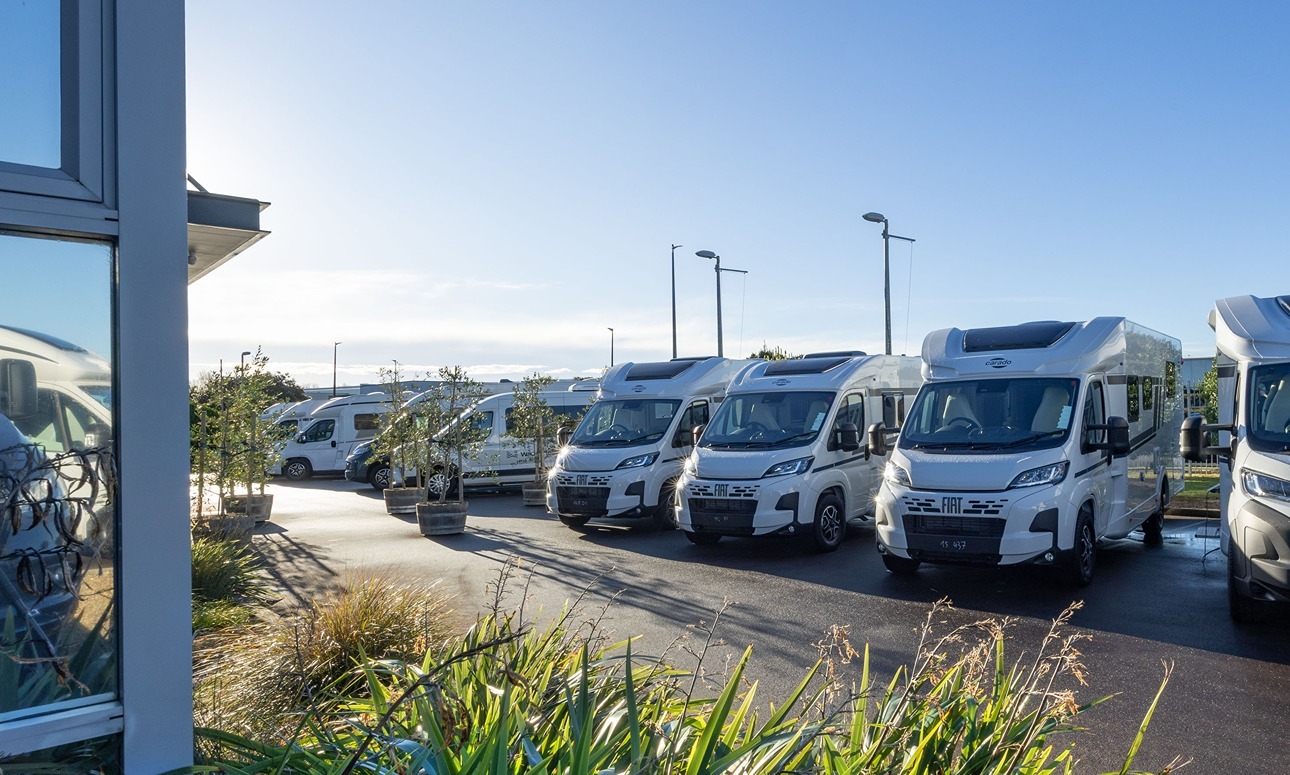
That extra mass buys you payload headroom. It's the capacity to carry water, gear, bikes and passengers without breaching your loaded weight limit, which is a common pain point on lightweight 3.5-tonne builds. Your payload adds up faster than you'd think. Take some common items:
- Bikes weigh around 7kg each
- Generators can top 20kg
- Golf clubs come in around 5kg
Seen this way, a CoF is a natural consequence of quality engineering and better everyday usability. You also get more payload compared to a vehicle on a WoF. That said, lighter WoF vehicles can suit solo travellers or couples who pack light and value lower running costs.
Is a Certificate of Fitness (CoF) better for motorhome safety and structural checks?
For a heavier motorhome of more than 3,500 kg, yes — a CoF gives you a more demanding inspection of the systems that carry the most load. Inspectors work from the same national standards manual for both, but a CoF applies those checks more strictly, which matters most on a large, heavy vehicle.
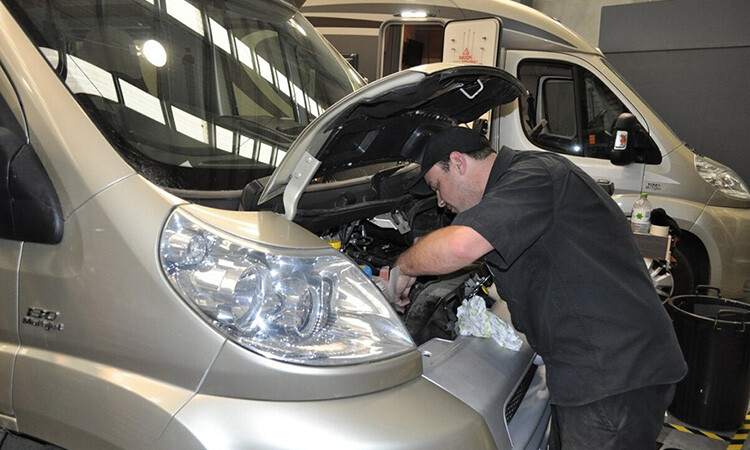
Those areas are the ones that work hardest under greater mass:
- Braking performance — a heavier vehicle asks far more of its brakes, so condition and performance get close attention.
- Suspension — carrying more weight puts more strain on suspension components over time.
- Chassis and structural integrity — the underbody and frame carry the load, and underbody issues are a common CoF failure point for motorhomes.
In short, the extra scrutiny is proportionate to the vehicle.
What do I do if my motorhome fails a CoF/WoF inspection?
You have 28 days to fix the faults and return for a retest, under the same rules that apply to a car.
According to Galeeco Automotive, the most common failure points are:
- Lights & signalling — a single blown bulb will fail it
- Tyres — tread depth, condition, uneven wear
- Brakes — worn brake pads, fluid leaks, seized calipers
- Steering & suspension — misalignment, worn shock absorbers
- Structure and chassis condition — rust and corrosion in the chassis or body
The testing station will hand you a report listing every item that didn't pass, so you know exactly what needs fixing. From there:
- If you return to the same testing station within 28 days: Only the failed items get re-checked, not the whole vehicle. This is free for a WoF; a CoF recheck may still carry a fee.
- If you return more than 28 days later, or go to a different testing station: You'll need a full new inspection and pay the full fee again.
- If you partly pass: The clock doesn't reset. You’ll need to fix what's left and return within the original window.
Bear in mind the 28 days is about inspection fees, not a licence to keep driving. If your certificate has expired, you can only drive the vehicle to get repairs done or to the retest itself, and only if it's safe.
How does the Clean Car Standard affect motorhomes?
The Clean Car Standard is impacting motorhomes and the role of WoFs and CoFs by introducing fees under specific circumstances. The Standard is New Zealand Government legislation that came into effect on 1 January 2023. Under the policy, any imported light vehicle motorhome (new or used) will be subject to a fee if it:
-
Was imported after the above date
-
Doesn't meet the Government’s new emissions standards.
Light vehicle motorhomes are those that need a WoF, with a GVM of 3500kg or less. These motorhomes may now be more expensive than similar ones that require a CoF (with a GVM of more than 3500kg) due to the clean car fee.
This fee is likely to be passed onto customers as it’s applied to light vehicle motorhomes at registration, at which time the importer will need to pay.
It’ll be calculated from a motorhome’s emissions, so the fee is capped at:
-
$2,500 for used imports
-
$4,500 for new imports.
Read our blog to find out more about Clean Car Standards and how they affect motorhomes.
FAQs
Whether you decide to buy a motorhome that requires a WoF or a CoF is a personal choice. Each has benefits and drawbacks, affecting how often you need inspections, how much you can carry and even how fast you can drive. It’s therefore vital that you do your due diligence as you progress through the motorhome buying process.
Learn more about which type of RV may suit you best in our guide to finding your perfect motorhome.