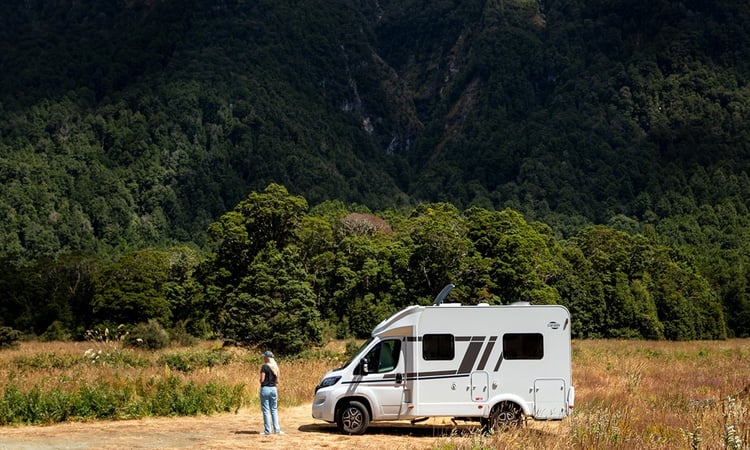
The Department of Conservation Te Papa Atawhai (DOC) has around 300 campsites set within national parks, beside lakes, and along the coast of Aotearoa New Zealand. Many are accessible by motorhome, making it easy to park up and enjoy some of the country’s most beautiful landscapes.
There are several ways to pay for DOC campsites, including the annual DOC Campsite Pass. Currently priced at $295 for one adult, the pass is valid for 12 months and can be used at eligible DOC campsites around the country.
But does the DOC Campsite Pass offer good value? What exclusions or extra costs do you need to know about? And how do the 2026 green-warrant changes affect where you can stay?
In this guide, we’ll break down what motorhomers need to know about the DOC Campsite Pass, how to calculate whether it’s worth the investment, and how your choice of motorhome can impact where you can stay.
What is the NZ DOC Campsite Pass and how much does it cost?
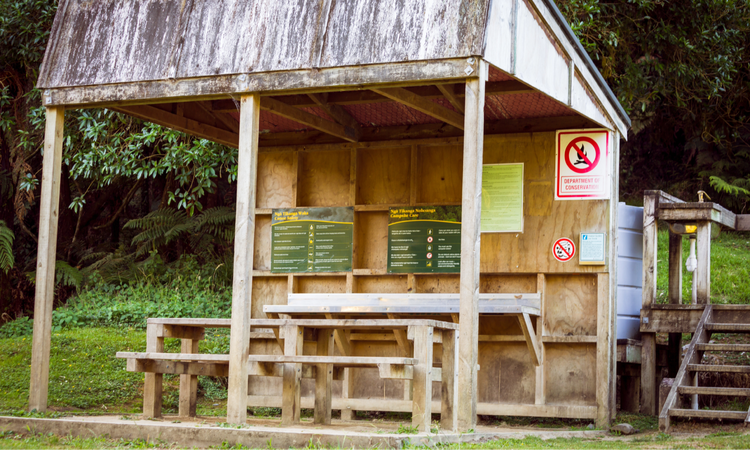
The DOC Campsite Pass is a one-time fee that gives you access to 200+ DOC conservation campsites around New Zealand for a year.
It covers both bookable and non-bookable campsites, although exclusions apply.
The pass is valid for one year from your chosen start date. Current prices are:
-
Adult aged 18 or over: NZ$295
-
Youth aged five to 17: NZ$147.50
-
Children aged four and under: free
A pass can be used for up to seven nights at the same campground within any 30-day period. This makes it ideal for travellers who like to move between campgrounds fairly frequently, rather than those planning to settle into one location for several weeks.
It’s important to remember that while the Campsite Pass provides a way to pay, it doesn’t guarantee a site. Bookable DOC campsites still need to be reserved in advance. Non-bookable sites operate on a first-come, first-served basis, so having a pass won’t secure a space when the campground is full.

I’m a keen fisher, so DOC campsites make it easy to stay close to rivers and lakes, spend four or five days in one spot and then move on. Over the years, the Campsite Pass has definitely paid its way – I’ve used it often enough to make some solid savings compared with paying night by night.
Does the DOC Campsite Pass have any exclusions or hidden costs?
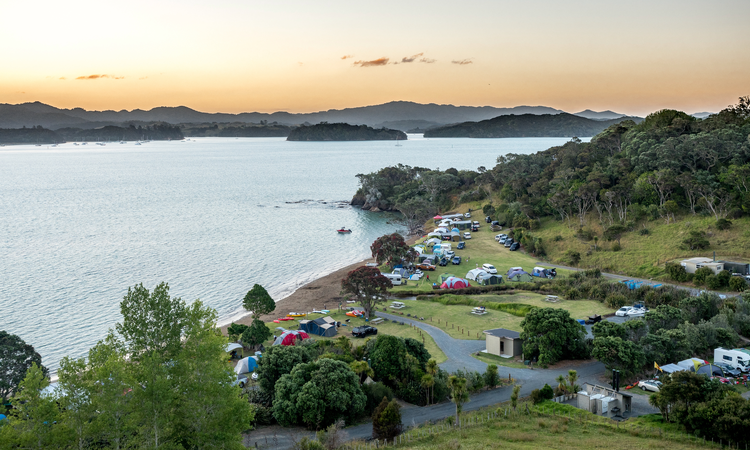
Yes. Some campsites are excluded, and extra charges can still apply, so it pays to check before planning your route.
The DOC Campsite Pass can cover a large part of your accommodation costs, but a few charges and exclusions may still apply. Knowing what to expect before you buy will make it easier to plan your route and work out the true value of the pass. Here are a few key points to keep in mind:
Passes are priced per person, not per vehicle
Each DOC Campsite Pass is issued per person, not per motorhome. Two adults travelling together would therefore need two passes, costing $590 in total. Alternatively, one person could use a pass while the other pays the standard nightly fee at each campsite.
Some DOC campsites aren’t included
A number of DOC campsites are excluded either year-round or during busy periods. These include:
-
Great Walk campsites
-
Cabins, cottages, baches, lodges and bunkhouses at campgrounds
-
Campsites closed for maintenance or management purposes
-
Seasonal campsites outside open season
-
Selected locations in some regions
Powered sites carry a surcharge
The pass can still be used at eligible powered sites, but power costs extra. Pass holders pay $3 per adult and $1.50 per youth each night.
That may be a small amount compared with paying the full campsite fee, but it still needs to be factored in when you’re working out your likely savings, especially if you expect to plug in regularly.
Each stay is capped at seven nights
You can use the pass for up to seven nights at the same campground within any 30-day period. After that, you’ll need to pay the standard nightly rate for any additional nights, provided the campground’s individual maximum-stay rules allow you to remain.
Some sites have animal restrictions
If you’re travelling with your four-legged friends, you’ll want to check whether your intended campsites allow dogs.
Given most DOC campsites don’t allow dogs (with a few exceptions – look out for “dog with permit” or “dog on lead” symbols), the DOC campsite pass doesn’t tend to pay for itself for dog owners.
As we travel with dogs, we are restricted in which DOC sites we can use. Saying that, we did obtain DOC permits for the Nelson region and managed to stay in a few camps there. We have also used other sites where allowed, but never bought the annual pass.
Is the DOC Campsite Pass worth it for long-term motorhome travel?
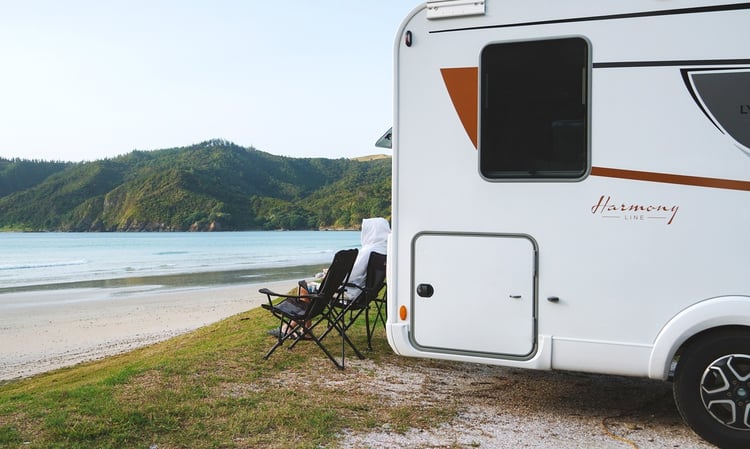
For travellers who enjoy staying at DOC campsites regularly, the annual pass can be a simple way to minimise accommodation costs. The key is working out how many eligible nights you’re likely to use.
Let’s break it down.
First, work out your break-even point
Standard DOC campsites generally cost between $10 and $20 per adult each night, while serviced campsites usually cost between $20 and $28. Prices vary between locations, and some campsites have seasonal rates.
These are the main types of DOC campsites:
-
Basic – usually free. Little more than a place to park, with untreated water and often rough or narrow access. No rubbish collection or power, so you'll need to be fully self-sufficient. Examples: Lake Poaka (Twizel).
-
Standard – roughly $10–$15 per adult, per night. Reliable vehicle access, plus rubbish bins and often a cooking shelter, BBQs or picnic tables (varies by site). Rarely powered, and mostly first come, first served. Examples: Booms Flat (Coromandel), Cascade Creek (Fiordland).
-
Serviced – roughly $18–$28 per adult, per night. The most equipped tier: rubbish collection, a kitchen or cooking bench, and sometimes powered sites and dump stations. Examples: Totaranui (Abel Tasman), Pelorus Bridge (Marlborough).
So, to break even on the $295 adult pass, you would need to stay:
-
30 nights at campsites charging $10 a night
-
20 nights at campsites charging $15 a night
-
15 nights at campsites charging $20 a night
Once you pass that point, each additional eligible night increases your saving.
What could you save over 60 days?
Say one adult spends 60 days travelling around New Zealand, including:
-
30 nights at eligible DOC campsites averaging $15 a night
-
20 nights freedom camping
-
10 nights at holiday parks or excluded campsites
Without a pass, the 30 eligible DOC stays would cost around $450 per person. With a pass, they would cost $295 – a saving of approximately $155.
However, a traveller who freedom camps for most of the trip and spends only 10 nights at eligible DOC campsites would pay around $150 in nightly fees per person. In that case, buying a $295 pass wouldn’t make financial sense.
These examples don’t include holiday park fees, excluded campsites or the small nightly surcharge for powered DOC sites.
Your travel style matters most
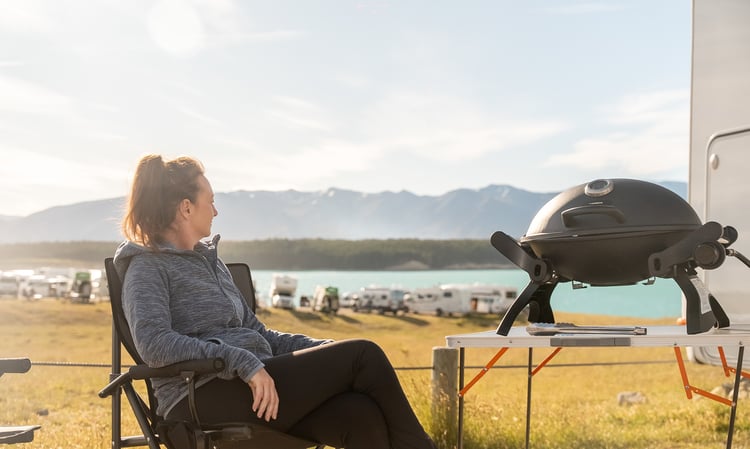
The pass tends to work best for people who:
-
take longer trips
-
move between regions
-
regularly choose eligible DOC campsites
-
travel without animals
It may offer less value if you:
-
prefer full holiday park facilities
-
plan to spend most nights freedom camping, or
-
will mainly visit locations excluded from the pass
-
travel with animals
The first year we had the Campsite Pass, we probably didn’t use it as well as we could have. We bought it without really planning our route, then ended up staying at quite a few places that weren’t covered. Since then, we’ve got into the habit of checking eligible DOC sites before each trip and building a few into our plans. That’s made a big difference to the value we get from it.
Does the NZMCA discount apply to the DOC Campsite Pass?
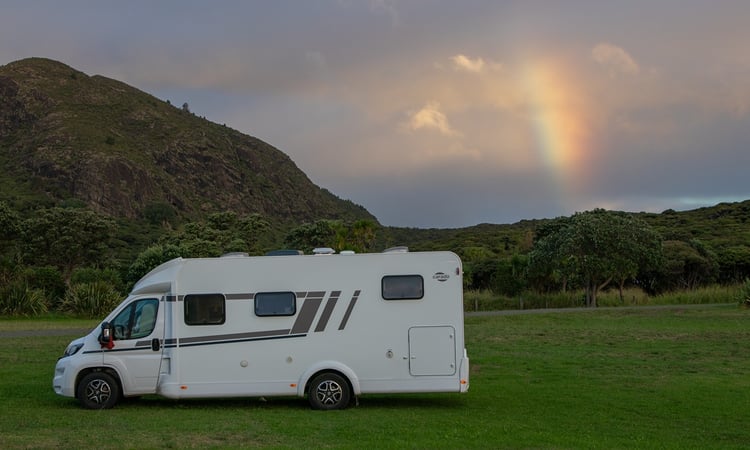
No. NZMCA members don’t currently receive an organisational discount on the DOC Campsite Pass. The association decided against applying for the discount for the 2025/26 season for a number of reasons, including that relatively few members had used the previous discount.
This may change in future seasons, so it’s worth checking the latest NZMCA and DOC information before buying your pass.
NZMCA membership does provide other lower-cost accommodation options. Members can stay at NZMCA Parks for $5 per person each night and access a wider network of Park Over Properties (POPs) and participating CampSaver locations.
Community Services Card holders can still receive a 25% discount on DOC campsite passes, provided they meet DOC’s current eligibility and account requirements. This discount is arranged directly through DOC and isn’t linked to NZMCA membership.
How your motorhome setup affects your camping costs
A self-sufficient motorhome gives you more choice over where you stay and can reduce how often you need commercial campgrounds.
A useful minimum benchmark is being able to manage your own water, wastewater and onboard facilities for at least three days, as required under New Zealand’s certified self-containment standard.
With enough battery power to support at least a few days off-grid too, you’re less likely to need powered sites or holiday parks simply to recharge or use their facilities. That can help you get more value from your DOC Campsite Pass.
Here are a few pointers on what to look for in a motorhome that can comfortably support extended time off-grid:
Check your freshwater and wastewater capacity
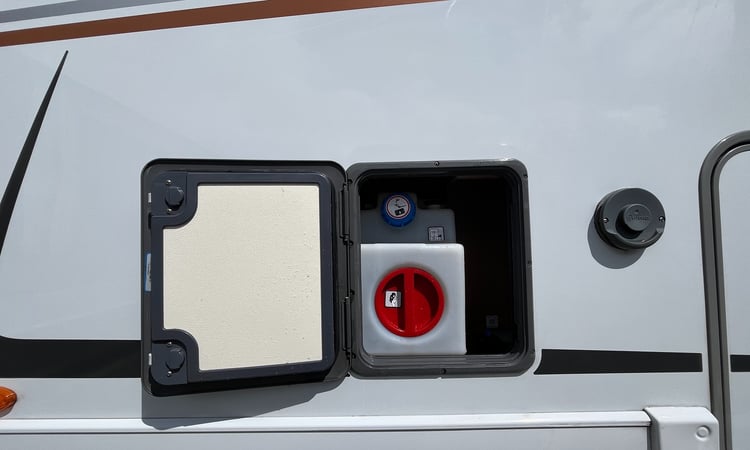
One of the first considerations is having enough freshwater and wastewater tank capacity. How long your tanks last will depend on the number of people on board, and how carefully you use water for cooking, washing and showering. More capacity means more time between refills and dump-station stops.
It’s worth noting that tank size isn’t the only consideration. Water is heavy, so it’s important that your motorhome has enough payload capacity – the total weight it can legally and safely carry, including passengers, luggage, food and water – to travel with fuller tanks.
Solar panels mean less time plugged in
A good solar and battery setup can help you stay comfortably at unpowered DOC campsites and freedom camping sites for longer without plugging in.
Solar panels recharge your leisure batteries during the day, while the batteries store power for lighting, water pumps, charging devices and other onboard essentials. The right capacity depends on what you use, how long you plan to stay and how much sunlight your panels receive.
A smaller setup may be enough for short summer stays. For longer trips, winter travel or heavier power use, a larger battery bank and more solar capacity can give you greater freedom between powered stops.
We recently upgraded to a newer motorhome with bigger tanks and more off-grid capability because we wanted to spend less time in commercial campgrounds and do more freedom camping. That opened up a lot more DOC sites for us. We didn’t quite get our money back on our Campsite Passes in the first year, but since then we’ve used them a lot more, and they’ve easily paid their way. We love being able to stay somewhere quieter and closer to nature for a few days before moving on.
How inverters affect off-grid capability
An inverter changes the 12V power stored in your motorhome’s batteries into the 230V power used by your onboard appliances. In simple terms, solar panels generate power, the batteries store it and the inverter lets you use that stored energy through standard power outlets.
A suitably sized inverter can make DOC campsite stays more comfortable by allowing you to charge your laptops, phones and cameras without plugging into mains power.
The inverter, battery bank and solar setup all need to work together, so look for a system designed around the appliances you plan to use and the length of time you want to stay off-grid.
How to handle heating, cooking and refrigeration
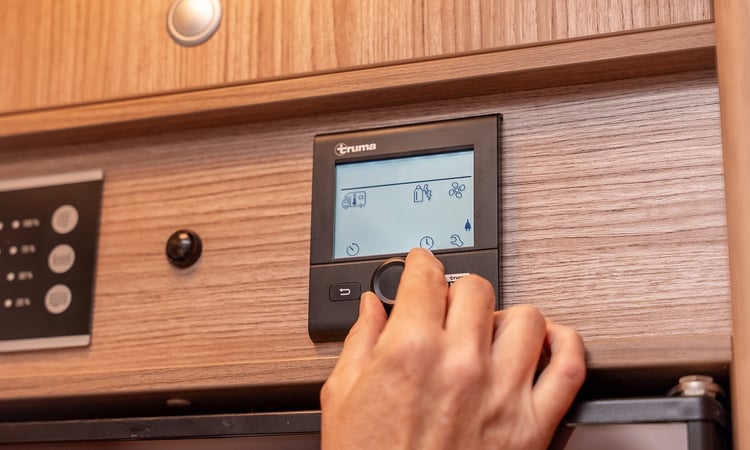
Motorhomes that use gas or diesel for heating, hot water, and cooking place less demand on the battery system, which can make longer off-grid stays easier.
Refrigeration also matters. A three-way fridge can run on 12V while you’re driving, gas when you’re parked off-grid and mains power when you’re plugged in. A compressor fridge runs from the battery system, so it needs enough solar and battery capacity to support it between powered stops. Both can work well, but the fridge needs to suit the wider solar and battery setup so it can keep running comfortably between powered stops.
So, is the DOC Campsite Pass worth it?
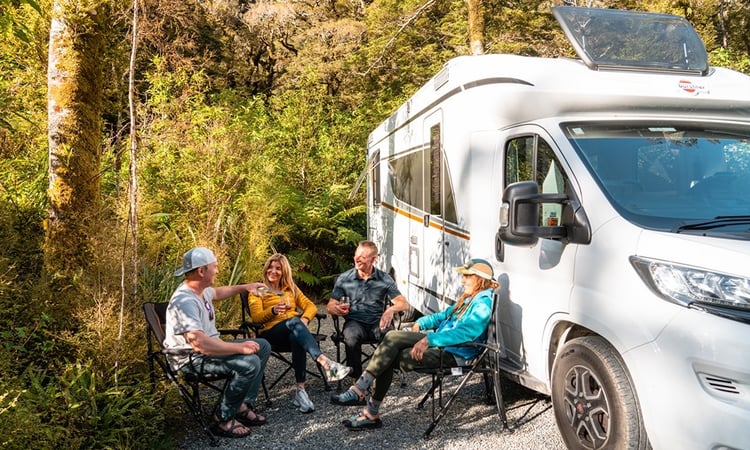
It depends on how often you travel. If you’re a regular DOC camper, the answer is yes – but the best way to know is to map your route and run the numbers first.
The pass is most likely to pay off when you’re travelling for several weeks or months, moving regularly and expecting to spend at least 15–30 nights at eligible DOC campsites. If you’re mainly freedom camping, staying at holiday parks or visiting excluded sites, paying as you go may work out cheaper.
That said, if you’re travelling with animals such as dogs, your DOC campsite options are very limited, and the pass likely won’t be worth it.
We’re planning to buy a DOC Campsite Pass for this summer. Our son is two, so he’ll be free, which makes the cost a bit easier to justify for us. We’re hoping it’ll be a good investment over the year – and once we’ve bought it, I think we’ll have even more reason to make the most of long weekends, get away more often and finally tick off a few of those DOC spots that have been sitting on our bucket list.
Your motorhome setup matters too. Enough water, waste capacity, solar and battery power gives you more freedom to use basic DOC campsites without needing regular commercial stops simply to refill, recharge or use shared facilities.
Ultimately, the DOC Campsite Pass delivers the most value when your route, your travel style and your motorhome all work together.
Want more ideas for amazing motorhome trips in your own backyard? Check out our guide to stargazing and aurora chasing in New Zealand.