

Choosing the right motorhome, navigating the buying process, and then maintaining your asset over a long period of time all require knowledge and time. This collection of resources has been created to help you make the right decisions for you and your family.
No items currently match your filtering criteria.
For many Kiwis, a motorhome is the single largest asset they own after their family house. And yet, a surprising number of owners insure theirs with a standard car policy – one that was never designed to cover awnings, solar systems, skylights, habitation appliances, or the full cost of a drivetrain repair.
This guide covers everything you need to know to protect your investment properly: how motorhome insurance works, what Agreed Value really means, what's covered and what isn't, and how to compare policies side by side.
By the time you're done reading, you'll know exactly what questions to ask before you sign anything.
Do you want to park up somewhere stunning that’s far from the crowd? You’ll need an onboard power supply system that will allow you to camp independently wherever you like, for as long as you want.
The problem is that most new motorhomes don't come with enough built-in power for more than a few days of off-grid camping. That's why many motorhome owners choose to upgrade their power setup after buying.
Do you want to park up somewhere stunning that’s far from the crowd? …
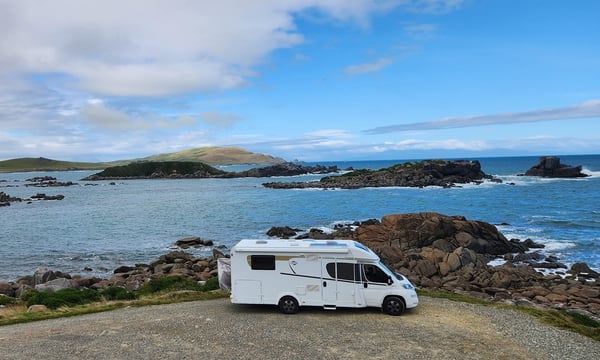
There are many different kinds of people who come to work at Wilderness. Some are industry veterans, and some fell into it on a whim. Graham Skinner is a unique kind – a retired owner of a Carado motorhome who loved the lifestyle so much that eventually, he decided he wanted to work for the dealership.
Graham is part of the welcome team at Wilderness, driving guests between the airport and the base and helping them get oriented before they hit the road. But before he ever set foot in the Wilderness yard as an employee, he was a customer.
He and his partner spend significant chunks of the year travelling around New Zealand in their Carado. When he talks to guests arriving at the base, wide-eyed and full of questions, he's speaking from experience.
It's turned out to be a great fit in both directions: Graham gets to spend his days doing what he loves, and guests get someone who has owned the same vehicle and driven the same roads they're about to explore.
We spoke to Graham to find out his favourite things about motorhome travel, what brought him to the Wilderness team, and his top tips for a motorhome buyer.
There are many different kinds of people who come to work at Wilderness. …
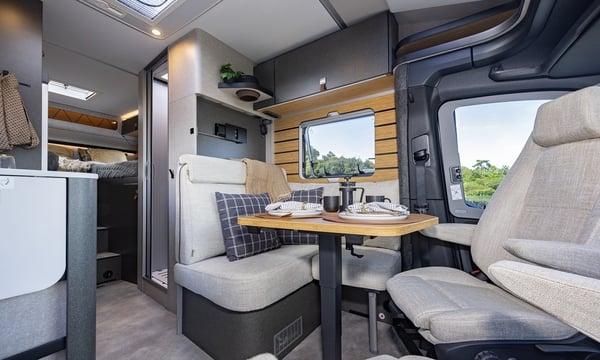
Is buying a brand-new motorhome worth it? While vehicle depreciation never sleeps, the good news is that new motorhomes hold their value far better than new cars. Where a car loses a significant chunk of its value the moment you drive it off the lot, the decline for a new motorhome is much more measured. It’s like comparing the gentle descent of a hot air balloon to the sharp thump of a jumbo jet coming in to land.
Because of this resilience in residual value, the choice is often tipped in favour of splashing out on a brand-new RV instead of a used one. However, whether you are truly better off buying new depends largely on your personal circumstances and the mobile lifestyle you want to adopt.
Is buying a brand-new motorhome worth it? While vehicle depreciation never …
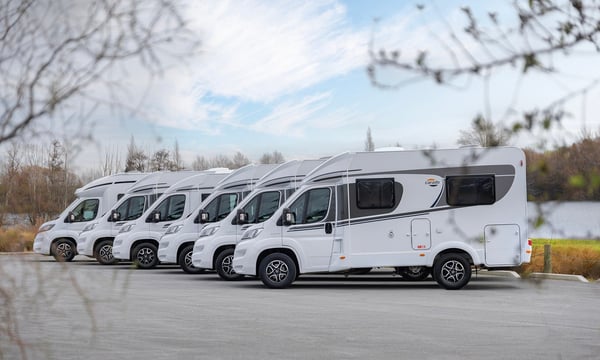
Buying a motorhome is a big deal – often the biggest investment you’ll make outside of your family home. When the stakes are that high, finding a dealer you can actually trust is the secret to moving from "anxious buyer" to "confident explorer."
While the process is a bit like buying a car, the reality is much more personal. After all, you’re not just picking out a ride; you’re choosing a bedroom, a kitchen, and a lounge on wheels. You’re also thinking about a whole host of different warranties and servicing needs. The right dealer should make that complexity disappear, using their years of experience to help you choose right.
In this guide, we’ve scouted the top dealers in our two main RV centres – Auckland and Christchurch – to find the ones that truly walk the walk. We focused on the things that actually matter to owners:
Genuine after-sales support (for when you're actually out on the road).
Clear handovers and warranties (so there are no "hidden" surprises).
Raving customer reviews from the local RV community.
Buying your first motorhome is a very special moment. As soon as you’re handed the keys, a whole new world of possibilities opens up.
But behind the sparkly exterior, there’s a steep learning curve for what being a motorhome owner really looks like. Once the "new van smell" fades and you’re halfway up a narrow gravel road, or dealing with a layout that feels like a puzzle, a bit of buyer regret can start to creep in.
When you’re looking for a new motorhome, it’s natural to spend hours imagining yourself in the living quarters - checking out the layout and feeling the quality of the finish. But often, little attention is paid to the chassis underneath. It’s a bit like finding your dream home and forgetting to get a building report. The platform you choose determines your driving experience, long-term reliability, and cost of ownership.
Because the commercial vehicles used for motorhomes come from trusted global brands, many people assume they’re all much the same - if they're good enough for a courier driver, they must be perfect for a holiday, right? But in reality, only one of these commercial vehicles is actually designed and engineered from the ground up to be a motorhome.
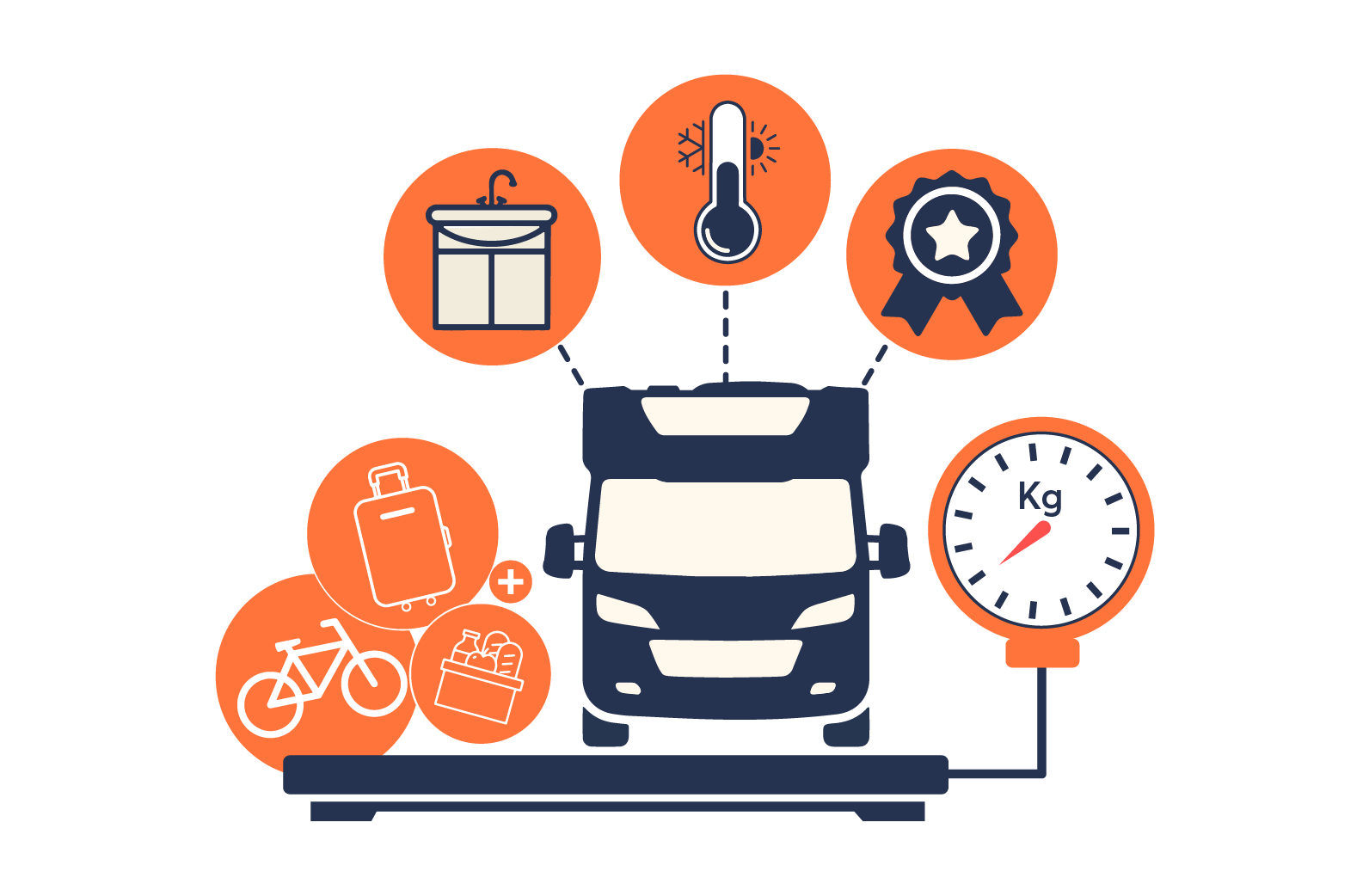
There’s nothing quite like the feeling of packing up the motorhome and heading off the beaten track. But before you ditch the map and get lost in the moment, there’s one important number you need to know: your maximum payload.
Simply put, this is the total weight your motorhome can legally and safely carry. It covers everything from your passengers and pantry staples to your water, clothes, and that extra gear for the road.
Here’s the thing, though, sometimes the payload figure in a brochure doesn’t quite match reality. It might be based on a similar model from overseas with different chassis or suspension components. Or the motorhome may be NZ-new, but the initial payload doesn’t account for those handy accessories added after the initial payload calculation.
That’s why we reckon the best way to start your journey is with certainty. Buying a motorhome that has had its unladen (tare) weight verified recently at a New Zealand weighbridge means you know exactly where you stand. Subtract that tare weight from the Gross Vehicle Mass (GVM), and you’ve got your magic number for safe loading.
This weighbridge certification is the only way to be 100% confident in your payload limit. Let’s explore why this matters and how to make sure you’re ready to roll.
There’s nothing quite like the feeling of packing up the motorhome and …
The philosophy that a business should be accountable to its customers and its community for its impact is at the core of what we do. That’s why we’re incredibly proud to announce that we are now a B Corp-certified company, joining a global movement of businesses using their operations as a force for good — alongside other well-known New Zealand companies, including Kathmandu, Allbirds, and Kiwibank.
This certification is the clear, independent signal that you’re choosing a company that meets high standards of social and environmental impact while guaranteeing our customers a highly responsible and ethical purchase and ownership experience.
The philosophy that a business should be accountable to its customers and …